Low sexual desire in women usually has several overlapping causes, including hormones, medicines, pain, pelvic floor problems, relationship factors and mood. It is considered a medical concern only when it persists and causes personal distress. A thorough assessment looks at both the body and the context, because treating a single factor in isolation rarely restores desire.
What counts as low sexual desire?
Desire varies widely between women and across a lifetime, so there is no "normal" number of thoughts about sex or sexual encounters. Clinicians use the term hypoactive sexual desire disorder (HSDD), or female sexual interest/arousal disorder in some classifications, when low or absent desire has lasted for several months and causes distress to the woman herself. A difference in desire between partners is not a disorder by itself, and low desire that does not bother a woman does not need treatment.
It also helps to know that desire is not always spontaneous. Many women, especially in long-term relationships, experience responsive desire, which appears after physical closeness or arousal begins rather than before. Understanding this pattern alone can relieve worry for some couples.
Which medical conditions lower desire?
Several common health problems affect the brain, hormones, energy or blood flow that support desire.
- Depression and anxiety, which are among the most frequent contributors
- Thyroid disorders, diabetes and high blood pressure
- Chronic pain conditions and chronic fatigue
- Anemia and poor sleep, including sleep apnea
- Cancer and its treatments, particularly those that lower estrogen
- Neurological conditions such as multiple sclerosis
Because low desire can be the first symptom a woman notices, a basic health review and sometimes blood tests are reasonable starting points.
How do hormones and medicines affect desire?
Hormonal changes
Estrogen supports vaginal lubrication and comfort, and its decline after menopause, after removal of the ovaries, or during breastfeeding can make sex less comfortable and less appealing. Testosterone also plays a role in desire, although blood levels do not reliably predict symptoms. Combined hormonal contraceptives can lower free testosterone, and some women report reduced desire on them, while others notice no change.
Medicines
Many commonly prescribed drugs list reduced libido as a side effect. Selective serotonin reuptake inhibitors (SSRIs) and related antidepressants are the best-known examples. Some blood pressure medicines, antipsychotics, anti-seizure drugs, opioids and anti-estrogen cancer therapies can also contribute. Never stop a medicine on your own; a prescriber may be able to adjust the dose or switch to an alternative.
What structural and pelvic factors play a role?
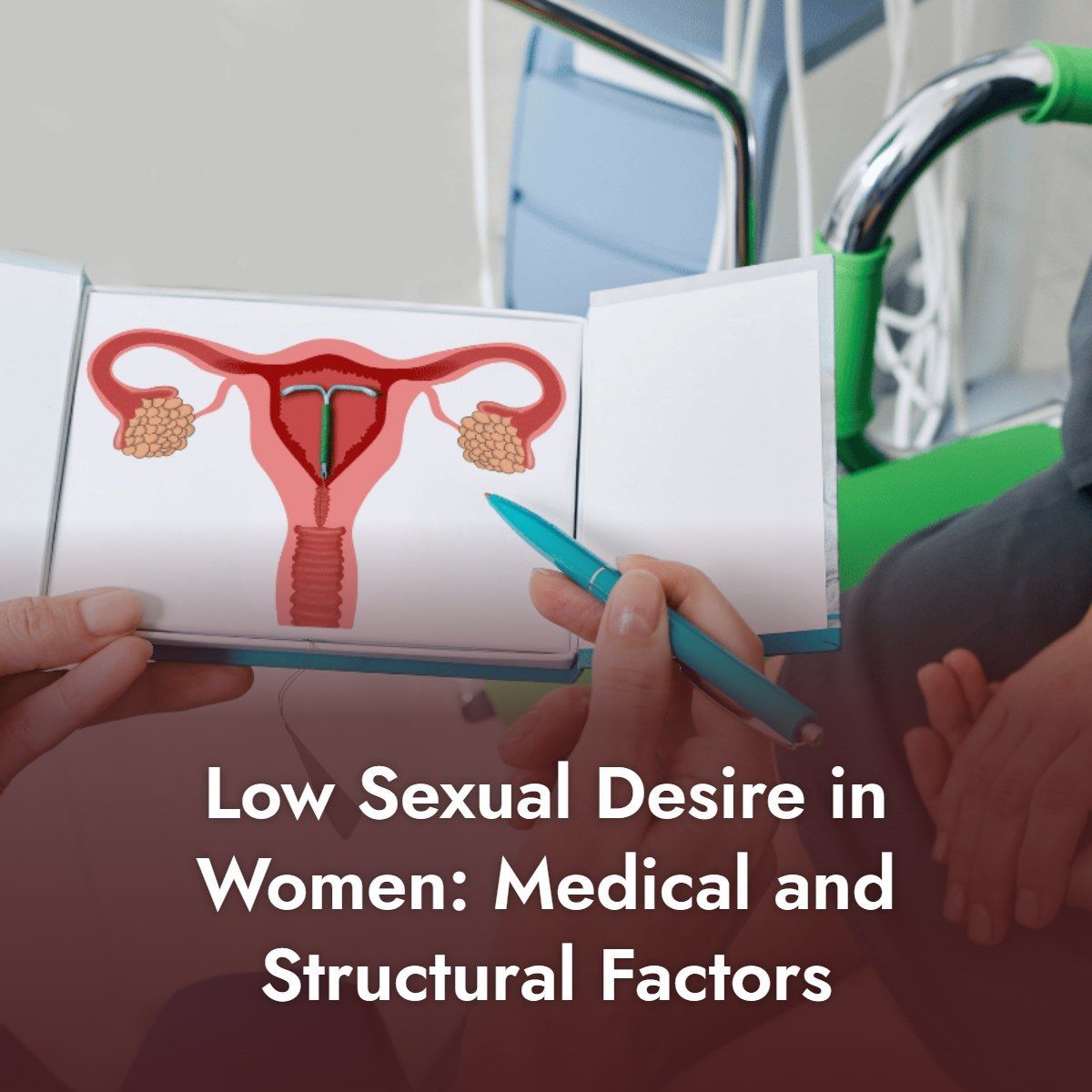
"Structural" causes are physical problems in the genital and pelvic area that make sex uncomfortable, unsatisfying or embarrassing. When sex reliably hurts or feels unpleasant, the brain understandably learns to lose interest.
- Genitourinary syndrome of menopause: thinning and dryness of vaginal tissue causing burning or pain.
- Pelvic floor muscle overactivity: tight, tender muscles that cause deep or entry pain and sometimes make penetration difficult.
- Pelvic floor weakness or laxity after childbirth: some women report reduced sensation or feeling "loose," which can affect confidence and arousal.
- Pelvic organ prolapse and urinary leakage: fear of leaking or a bulge during sex can lead to avoidance.
- Endometriosis, fibroids and scarring: these can cause deep pain with certain positions.
- Vulvar skin conditions: lichen sclerosus and other dermatoses cause soreness and fissures.
Identifying these issues requires a gentle pelvic examination. Many are treatable with local estrogen, physical therapy, medication, pessaries or, in selected cases, surgery.
How do relationship and psychological factors interact?
Desire is shaped by emotional safety, stress, body image, past experiences, and the quality of communication with a partner. Fatigue from caregiving, unresolved conflict, or a history of sexual trauma can all suppress interest. These factors often interact with physical ones: a woman with mild pain may cope well in a supportive relationship but lose desire entirely in a stressful one. This is why a combined approach usually works best. Practical steps such as protecting time for intimacy, reducing exhaustion, and talking openly about what feels good can be as important as any prescription. Individual or couples therapy can also help untangle long-standing patterns, and it is often most effective when started alongside, rather than after, medical treatment.
How is low desire evaluated?
A careful assessment is respectful, private and unhurried. A typical evaluation follows these steps:
- A detailed conversation about the timing, pattern and impact of low desire, and whether arousal, orgasm or pain are also affected.
- A review of medical conditions, medicines, contraception, menopausal status and mental health.
- Questions about relationship context, stressors and personal goals, without judgment.
- A pelvic examination to look for tissue changes, muscle tenderness, weakness or prolapse.
- Targeted blood tests when indicated, for example thyroid function or iron levels.
- A shared plan addressing the most important contributing factors first.
What treatments are available?
Treatment is chosen to match the causes found, and several are often combined.
- Treating pain first, with lubricants, vaginal moisturizers, local estrogen or vaginal DHEA
- Pelvic floor physical therapy for muscle overactivity, weakness or coordination problems
- Adjusting medicines that may be suppressing desire
- Sex therapy or couples counselling, including cognitive behavioral and mindfulness-based approaches, which have reasonable supporting evidence
- Testosterone therapy for selected postmenopausal women with HSDD, supported by an international consensus statement, using doses that keep levels within the normal female range
- Approved medicines such as flibanserin or bremelanotide for premenopausal women in some countries, which offer modest benefit and have specific side effects
Procedures that change vaginal structure are sometimes promoted as a fix for low desire. Surgery or energy-based treatments should only be considered when a specific structural problem is confirmed, and they should not be expected to restore desire on their own.
Frequently asked questions
Is low sexual desire normal after having a baby?
Yes, reduced desire is very common for months after birth, related to fatigue, breastfeeding hormones, healing tissue and new responsibilities. If pain, leakage or distress persists beyond the first year, an examination is worthwhile. Pelvic floor rehabilitation often helps.
Can a hormone blood test diagnose low desire?
No single blood test diagnoses low desire, and testosterone levels correlate poorly with symptoms. Tests are used to rule out other conditions or to monitor therapy. The diagnosis is based mainly on history and examination.
Will vaginal tightening improve my libido?
It may improve confidence or sensation for some women with genuine laxity after childbirth, but evidence that it raises desire itself is limited. Desire depends on many non-structural factors. A thorough assessment should come before any procedure.
Does testosterone work for women?
Evidence supports a modest benefit for postmenopausal women with distressing low desire when other causes have been addressed. It should be prescribed and monitored by a clinician. Long-term safety data are still limited.
Should my partner come to the appointment?
It can help, especially when discussing communication or differences in desire. However, many women prefer to speak privately first, which is entirely reasonable. A good clinician will offer both options.
References
- American College of Obstetricians and Gynecologists. Practice Bulletin No. 213: Female Sexual Dysfunction. 2019.
- Davis SR, et al. Global Consensus Position Statement on the Use of Testosterone Therapy for Women. Journal of Clinical Endocrinology and Metabolism. 2019.
- Basson R. The female sexual response: a different model. Journal of Sex and Marital Therapy. 2000.
- International Society for the Study of Women's Sexual Health. Process of care for the management of hypoactive sexual desire disorder in women. Mayo Clinic Proceedings. 2018.
- The North American Menopause Society. The 2020 genitourinary syndrome of menopause position statement. Menopause. 2020.
This article is for general education and does not replace an examination by a qualified gynecologist. Individual results vary, and every procedure carries risks.