
Gynecological care
Gynecological Care in Seoul for Expats and Visitors
English-speaking gynecology in Gangnam: screening, contraception, PCOS, fibroids, menopause and HPV vaccination, in one calm clinic.
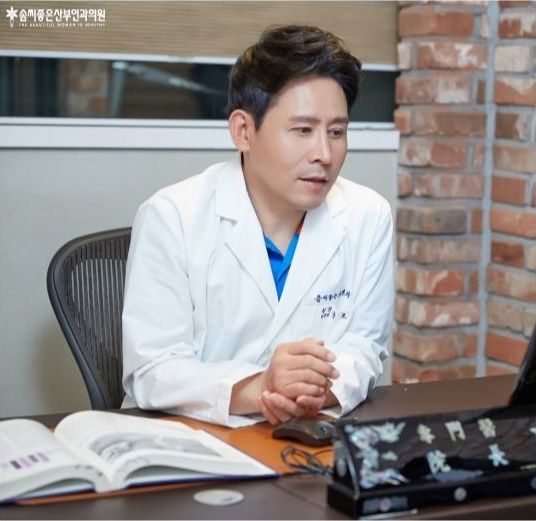
Somssi Women's Clinic is a surgical gynecology clinic in Gangnam, Seoul, founded in 2000 and led by Dr. Yoon Ho-joo, MD, PhD. Alongside its vaginal and pelvic-floor surgery, the clinic offers everyday gynecological care for women living in or visiting Korea: Pap smears, STI screening, IUDs, emergency contraception, PCOS and fibroid care, menopause treatment and Gardasil 9 vaccination, with same-day ultrasound and results explained in English.
Services
What gynecology services does Somssi offer in Gangnam?
Nine everyday services, each with its own page explaining what happens at the visit, how to prepare and when results arrive. Everything is done in the clinic on the 7th floor, 100 m from Gangnam Station.
Cervical screening (Pap smear)
Liquid-based Pap test, with HPV co-testing when appropriate. Quick, usually painless, results explained in plain English.
STI & STD screening
Confidential testing for common infections by swab, urine and blood, with treatment started the same day when a result is clear.
IUD insertion and removal
Hormonal and copper IUDs placed under ultrasound guidance, plus removal or exchange of a device fitted abroad.
Emergency birth control
Same-day consultation for emergency contraception, including options when more than three days have passed.
Morning-after pill
In Korea the morning-after pill needs a doctor's prescription. We see you promptly, explain the options and prescribe on the spot.
PCOS management
Ultrasound and hormone testing to confirm the diagnosis, then a plan for cycles, skin, weight and fertility goals.
Fibroid treatment
Ultrasound mapping of fibroids and adenomyosis, watchful monitoring, medication, and non-surgical HIFU where suitable.
Menopause treatments
Hot flashes, sleep, mood, dryness and bone health: a tailored mix of hormonal, non-hormonal and, when needed, surgical options.
Hormone replacement therapy
Estrogen, combined and low-dose vaginal therapy, started and monitored with blood tests and an honest discussion of risks.
Looking for something broader? Read our guides to hormonal imbalance treatment in Korea and pregnancy checkups in Seoul, or ask us about anything not listed here.
Your visit
What should I expect at a Korean gynecology visit?
If you are used to care in the US, Europe or Australia, a few things about a Korean clinic visit will feel different, mostly in a good way: more is done on the spot, and you rarely need a second appointment just to hear results.
- Registration. Bring your passport or Korean ID and, if you are enrolled, your NHIS details. Forms are available in English and a coordinator helps you complete them.
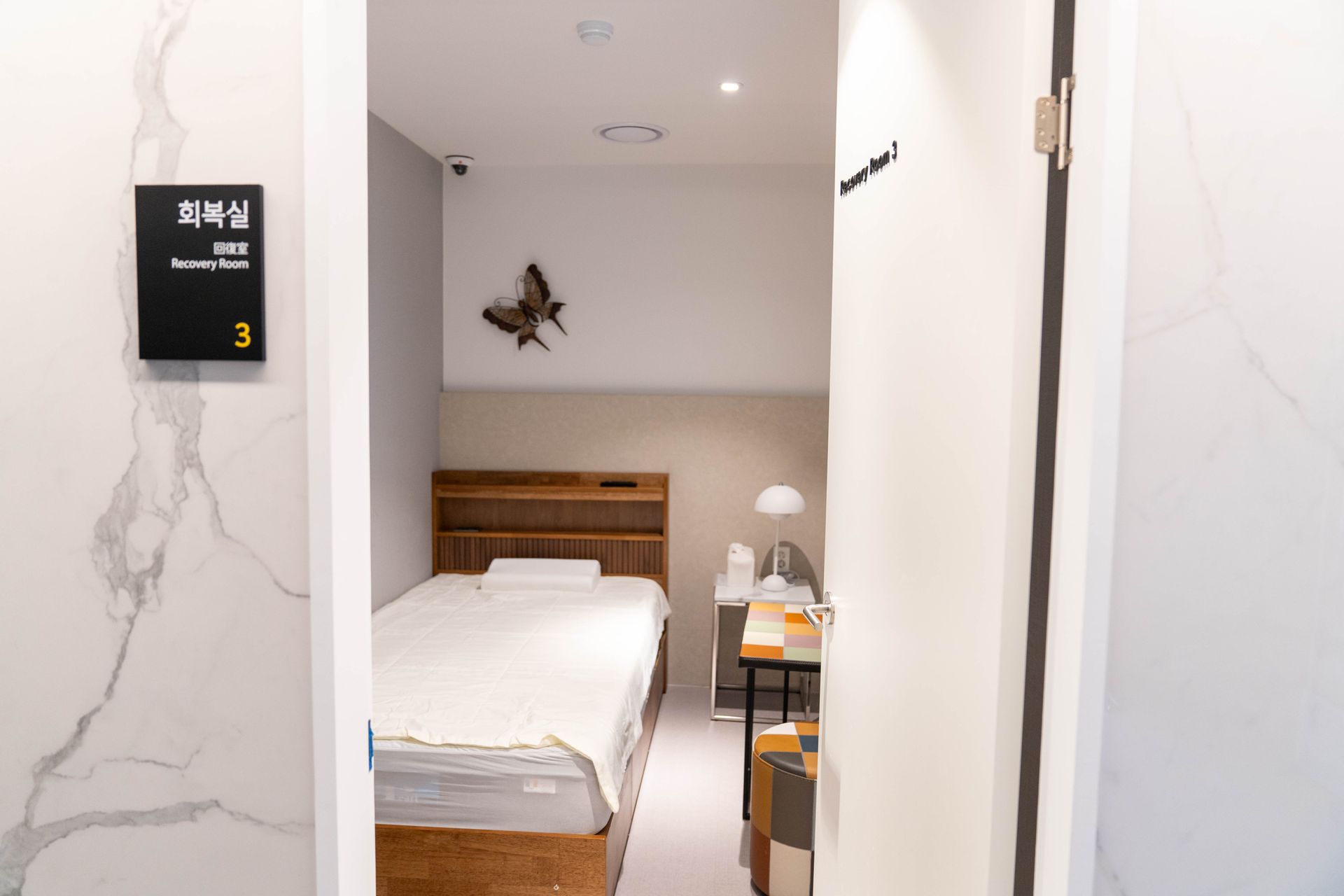
- Consultation. You talk through your symptoms or screening needs with Dr. Yoon. Sensitive topics are discussed in a private room, never at the front desk.
- Ultrasound in the clinic. Pelvic ultrasound is a routine part of a Korean gynecology visit rather than a separate referral, so fibroids, cysts, the uterine lining and an IUD position are checked while you are here.
- Same-day results for many tests. Ultrasound findings, urine tests and several rapid tests are explained before you leave. Pap smears, HPV typing, STI panels and hormone bloodwork go to a laboratory and are usually back within a few days; we email or message you with the result and what it means.
- Privacy. Your records stay within the clinic. Nothing is shared with employers, insurers or family members without your written consent.
Prevention
HPV vaccination (Gardasil 9) in Gangnam
Human papillomavirus is a common sexually transmitted infection. Most infections clear on their own, but persistent infection with high-risk types causes almost all cervical cancer as well as vaginal, vulvar and anal cancers; low-risk types cause genital warts. The clinic cites a large Korean survey of roughly 60,000 women aged 18–79 in which about a third tested positive for HPV, which is why we recommend both screening and vaccination.
Gardasil 9 is given as an intramuscular injection in the upper arm. We vaccinate adults who missed the vaccine at school age, expats who started a series abroad and want to finish it in Seoul, and parents bringing teenagers. Bring your vaccination record if you have one so we can match the schedule. The vaccine does not replace regular cervical screening , which still matters after vaccination.
Gardasil 9 at a glance
- Types covered: HPV 6, 11, 16, 18, 31, 33, 45, 52 and 58. Types 16 and 18 account for more than 70% of cervical cancers; 6 and 11 cause most genital warts.
- Who: licensed for ages 9–55. Protection is strongest when given before sexual debut (ages 9–26 are the priority group), but adults still benefit.
- Schedule: 3 doses over 6 months for adults. If you started elsewhere, we continue from your last dose rather than restarting.
- At the visit: a brief health check, the injection, and a 15-minute wait in the clinic. Mild arm soreness is the usual side effect.
- Cost: HPV vaccination for adults is not covered by Korean national insurance, so it is a self-pay item. A written quote is given before the first dose.
Uterine health
Fibroids and adenomyosis: do I need surgery?
Usually not. Fibroids are benign growths of the uterine muscle and adenomyosis is uterine lining growing into the muscle wall; both are very common from the mid-30s onward and both are easy to see on in-clinic ultrasound. Many cause no symptoms and only need periodic monitoring. Heavy or prolonged periods, pelvic pressure, pain or frequent urination are the usual reasons to treat.
Options start with medication to control bleeding and pain. For women who want to keep the uterus and avoid an operation, the clinic offers non-surgical HIFU (high-intensity focused ultrasound) , which heats and shrinks a fibroid through the skin without incisions. HIFU suits some fibroids and not others, so suitability is decided on ultrasound and, sometimes, an MRI. When surgery is the better answer we explain why and arrange referral to a hospital partner. Read more on the fibroid treatment page .
Midlife
Menopause and pelvic health: more than hormones
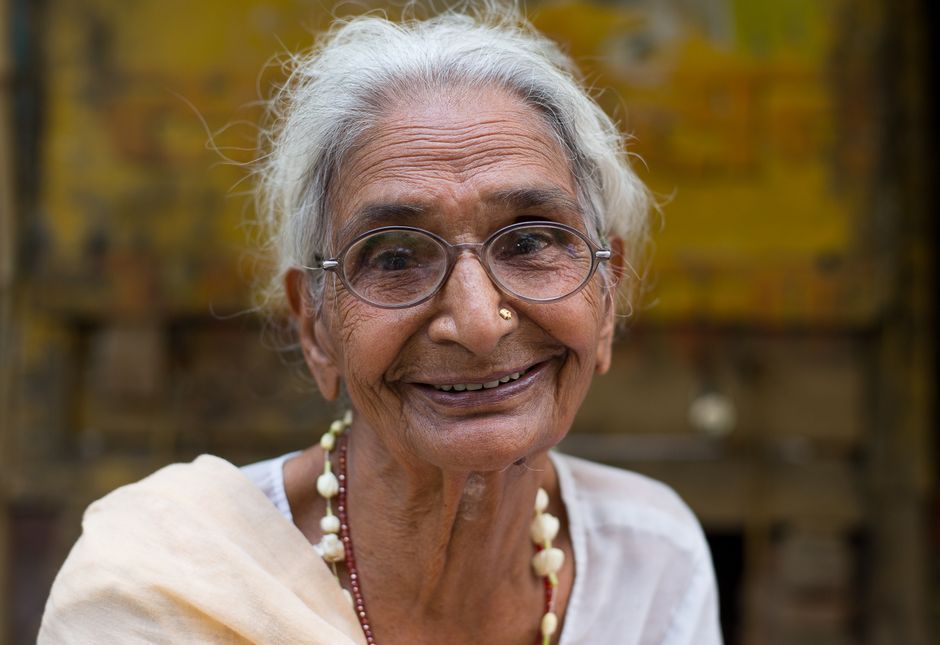
Hot flashes and sleep problems get the attention, but the changes women find hardest to talk about happen lower down: vaginal dryness and thinning, pain with intercourse, a feeling of heaviness or something "coming down", and leaking urine. These are pelvic-floor and tissue problems as much as hormone problems, and this is where a surgical gynecology clinic can help in ways a general practice cannot.
We start with the simple measures: low-dose vaginal estrogen, moisturizers and pelvic-floor training, described on our hormone therapy page . When tissue has become too thin, narrow or lax for those to work, Dr. Yoon can restore it surgically using your own tissue, without mesh or implants.
Vaginal atrophy or narrowing after menopause
When intercourse has become painful or impossible because the vagina has shrunk, dilatation and reconstruction can reopen and rebuild it. See vaginal stenosis treatment and postmenopausal vaginoplasty.
Uterine or pelvic organ prolapse
A dropping uterus, bladder or rectum can often be repaired while keeping the uterus. Read about uterine prolapse surgery and pelvic organ prolapse repair.
Urinary leakage and pelvic-floor weakness
Stress incontinence and an overactive bladder are assessed alongside prolapse, because they usually share a cause. See urinary incontinence treatment and pelvic floor disorders.
Practicalities
Insurance and costs: what will I pay?
We do not publish price lists because the right tests and treatment differ from person to person. What we do promise is a clear written estimate before anything is done, an itemized receipt afterwards, and no surprises. Here is how payment usually works for residents and visitors.
- Korean National Health Insurance (NHIS). If you live in Korea and are enrolled (most expats on long-term visas are, after six months of residence or through an employer), medically necessary care such as consultations for symptoms, diagnostic ultrasound, infection treatment and many prescriptions is partly covered. You pay the patient share at the desk. Bring your alien registration card.
- Non-covered items. Routine screening without symptoms, adult HPV vaccination, some contraception, hormone blood panels requested for wellness, HIFU and all cosmetic or elective vaginal surgery are self-pay for everyone, including Korean residents.
- Visitors without NHIS. You pay the full fee at the time of the visit, by card or cash. Fees for everyday gynecology in Korea are generally modest compared with private care in the US or Europe.
- Travel and international insurance. We provide an English-language itemized receipt, a diagnosis letter and, on request, a medical report so you can claim from your insurer afterwards. We cannot bill overseas insurers directly.
- Written estimates. For anything beyond a simple visit, you receive a written quote by email before you commit, in Korean won with the exchange rate noted for reference. See payment and planning for international patients .
FAQ
Gynecology in Seoul: your questions answered
Common questions from expats and visitors. For questions about the clinic itself, see about Somssi and Dr. Yoon Ho-joo ; for travel and appointments, see the full FAQ .
Can I see a gynecologist in Korea without a referral?
Yes. Korea has no gatekeeper system, so you can book directly with a specialist clinic like Somssi without seeing a general practitioner first. This applies to NHIS members and to visitors paying privately.
Will my consultation be in English?
Yes. Coordinators handle booking and follow-up in English, and the consultation with Dr. Yoon is conducted with English-speaking staff and real-time translation where needed. Written results and prescriptions can be issued in English on request, which helps if you need them for a doctor at home or for insurance.
How soon will I get my Pap smear or STI results?
Ultrasound, urine tests and several rapid tests are explained at the visit. Pap smears, HPV typing, STI panels and hormone tests go to an external laboratory and are usually back within a few business days. We contact you by email or KakaoTalk with the result and a plain-language explanation, and arrange treatment if anything needs it.
Can I get the morning-after pill or an IUD the same day?
Usually yes. Emergency contraception is prescribed at the visit after a short consultation. An IUD can often be placed the same day if you are not pregnant and there is no active infection; we check both with a urine test and an examination first. Read the IUD page for how to prepare.
Is my information kept private?
Yes. Your records remain within the clinic and are shared only with your written consent. Korea's medical privacy rules are strict, and our staff are all registered nurses who follow them. If you prefer, correspondence can go to a personal email address rather than a work one, and we never mention the nature of your visit when we phone.
Book a visit
See an English-speaking gynecologist in Gangnam
Tell us what you need and a coordinator will confirm a time, what to bring and what it will cost. Appointments are available Monday to Saturday except Thursday, 09:30–18:00, with no lunch closure.
