
General Gynecology · Treatment
PCOS Treatment in Seoul: Diagnosis and Management Explained
PCOS (polycystic ovary syndrome) is diagnosed when at least two of three features are present after other causes are ruled out: irregular or absent ovulation, excess androgen and polycystic-appearing ovaries on ultrasound; treatment then targets your own goals, whether regular cycles, clearer skin, fertility or metabolic health. At Somssi Women's Clinic in Gangnam, Seoul, Dr. Yoon Ho-joo confirms the diagnosis with ultrasound and blood tests and builds a plan in English.
Medically reviewed by Dr. Yoon Ho-joo, MD, PhD, OB/GYN specialist, Somssi Women's Clinic · Last updated October 2026

At a glance
Key facts
The essentials, based on how Somssi Women's Clinic performs this procedure or answers this question. Your plan is confirmed at consultation.
- Diagnosis: 2 of 3 Rotterdam criteria (irregular ovulation, androgen excess, polycystic ovaries) with thyroid, prolactin and other causes excluded
- First visit: history, examination, transvaginal or abdominal ultrasound, blood tests; about 30–45 minutes
- Blood tests: testosterone, DHEA-S, TSH, prolactin, 17-OH progesterone, fasting glucose or HbA1c, lipids
- Treatment pillars: lifestyle, combined hormonal contraception, metformin, anti-androgens, ovulation induction when pregnancy is wanted
- Endometrial protection: a withdrawal bleed at least every 3–4 months if cycles are very infrequent
- Follow-up: 3 months after starting treatment, then every 6–12 months with metabolic screening
- Who it suits: women with irregular periods, acne, hirsutism, weight concerns or difficulty conceiving
PCOS treatment at a glance
Diagnosed by 2 of 3 Rotterdam criteria once other causes are excluded; treatment follows your own goals.
- PCOS treatment Korea
- polycystic ovary syndrome Seoul
- irregular periods
- PCOS ultrasound
- metformin PCOS
- PCOS fertility
- Rotterdam criteriaDiagnosis
- 30–45 minFirst visit
- Lifestyle, OCP, metforminTreatment
- 3 months, then 6–12Follow-up
- DiagnoseCycles, androgens and ovarian ultrasound.
- Exclude mimicsThyroid, prolactin and adrenal tests.
- Treat by goalCycles, skin, weight or fertility.
- Protect long termMetabolic and endometrial checks.
Illustration: Somssi Women's Clinic, Seoul. Schematic, not to scale; your plan is set by Dr. Yoon Ho-joo after examination.
What is PCOS?
Polycystic ovary syndrome is the most common hormonal condition in women of reproductive age, affecting roughly one in ten. The ovaries produce slightly more androgen ("male" hormone) than usual, and ovulation becomes irregular or stops. The name is misleading: the "cysts" are simply many small immature follicles, not true cysts, and some women with PCOS have normal-looking ovaries while others with polycystic-looking ovaries do not have the syndrome.
PCOS is also a metabolic condition. Many women have insulin resistance regardless of weight, which drives both the androgen excess and a higher lifetime risk of type 2 diabetes, high cholesterol and, if periods are very infrequent, thickening of the uterine lining. It is a lifelong condition that changes with age and life stage, but every aspect of it can be managed.
Somssi Women's Clinic is a surgical gynecology clinic in Gangnam, Seoul, founded in 2000 and led by Dr. Yoon Ho-joo, MD, PhD. Alongside its specialist surgery, the clinic diagnoses and manages PCOS and related hormonal conditions for English-speaking residents and visitors, with the wider hormonal picture covered on our hormonal imbalance treatments page.
Who should be assessed for PCOS?
- Periods more than 35 days apart, fewer than eight a year, or absent for several months (once pregnancy is excluded)
- Very heavy or unpredictable bleeding after long gaps
- Acne persisting into adulthood, oily skin, hair thinning at the crown, or dark coarse hair on the face, chest, abdomen or back
- Difficulty conceiving
- Weight gain concentrated around the abdomen, difficulty losing weight, or dark velvety skin patches at the neck or armpits (a sign of insulin resistance)
- A family history of PCOS or type 2 diabetes
- Mood changes, anxiety or sleep problems alongside cycle irregularity
How PCOS is diagnosed in plain language
Doctors use the Rotterdam criteria, refined by the 2023 international guideline. You need two of the following three, and other conditions that mimic PCOS must be excluded.
| Criterion | What it means | How we check |
|---|---|---|
| 1. Irregular or absent ovulation | Cycles shorter than 21 days or longer than 35 days, or fewer than 8 per year, more than 3 years after your first period | Menstrual history; sometimes a mid-cycle progesterone level |
| 2. Androgen excess | Hirsutism, significant acne or male-pattern hair loss, or raised testosterone on blood tests | Examination plus total and free testosterone, DHEA-S |
| 3. Polycystic ovaries | 20 or more follicles in an ovary or ovarian volume of 10 mL or more on a modern transvaginal scan (or a raised AMH level as an alternative) | Transvaginal ultrasound; abdominal ultrasound if you prefer |
Conditions that must be ruled out include thyroid disease, high prolactin, late-onset congenital adrenal hyperplasia (17-OH progesterone), Cushing's syndrome and androgen-secreting tumors (suspected with rapid or severe virilization). In teenagers within eight years of their first period, ultrasound is not used for diagnosis because many normal adolescent ovaries look polycystic; criteria 1 and 2 are required instead.
Because PCOS raises metabolic risk, the first assessment also includes fasting glucose or HbA1c (or a glucose tolerance test), a lipid profile, blood pressure and waist measurement, plus screening questions about mood and sleep apnea.
What happens at the visit
Dr. Yoon takes a detailed menstrual, skin, weight and family history and examines you for signs of androgen excess and insulin resistance. A pelvic ultrasound counts follicles and measures ovarian volume, and also checks the thickness of the uterine lining if your periods are infrequent. Blood is drawn for the hormone and metabolic tests listed above; some are best done in the first week of a cycle or after fasting, so a second short visit is sometimes needed.
Results are reviewed with you in English, usually within a week, and the plan is written around your priorities for the next year or two: regular, predictable periods; clearer skin and less hair growth; pregnancy; or weight and metabolic health. These goals often need different medicines, and the plan is revisited as your goals change.
Treatment options
| Goal | First-line options | Notes |
|---|---|---|
| All women | Lifestyle: balanced diet, regular strength and aerobic exercise, sleep, stopping smoking | A 5–10% weight reduction, where weight is raised, often restores ovulation and improves every other symptom |
| Irregular periods, endometrial protection | Combined hormonal contraceptive pill, patch or ring; cyclical progesterone or a hormonal IUD if estrogen is unsuitable | Prevents lining overgrowth; also improves acne and hair |
| Acne and unwanted hair | Combined pill; after 6 months, add an anti-androgen such as spironolactone; topical and laser hair removal | Anti-androgens require reliable contraception because of fetal risk |
| Insulin resistance, weight, prediabetes | Metformin; newer weight-management medicines where appropriate | Metformin also helps regulate cycles in some women |
| Wanting pregnancy | Letrozole for ovulation induction (first choice), clomiphene as an alternative, with ultrasound cycle monitoring; metformin as an adjunct | Preconception check of weight, glucose, folic acid; referral for IVF if needed |
| Mood, sleep, body image | Screening and counseling; referral when needed | Anxiety and depression are more common in PCOS and respond to treatment |
If pregnancy is your aim, ovulation induction is monitored with ultrasound at the clinic, and once you conceive our pregnancy checkups service continues your care; PCOS slightly raises the risk of gestational diabetes, so early glucose testing is arranged. Women with very infrequent periods who are not on hormonal treatment are given a progesterone course to bring on a bleed at least every three to four months to protect the uterine lining.
Timeline: what to expect
| When | What to expect |
|---|---|
| Week 1 | Diagnosis confirmed; plan agreed; first prescription |
| 1–3 months | Cycles become regular on hormonal treatment; lifestyle changes begin to improve energy and insulin sensitivity |
| 3 months | Review visit: side effects, bleeding pattern, blood pressure; adjust |
| 6 months | Skin and hair improvement becomes visible; anti-androgen added if needed |
| Every 6–12 months | Weight, blood pressure, glucose or HbA1c, lipids; reassess goals |
| Trying to conceive | Most women ovulate within the first 3 cycles of letrozole; about half conceive within 6 cycles |
Results and what to expect honestly
PCOS cannot be cured, but its symptoms respond well. Hormonal treatment regulates cycles in nearly all women; acne improves over three to six months and hair growth over six to twelve. Most women with PCOS who want children conceive, the majority with simple ovulation induction. Metabolic risk is reduced but not erased, so lifelong screening matters. Symptoms often ease after menopause, although metabolic risk continues. Results vary with weight, age, insulin resistance and how consistently treatment is followed.
Risks and how we reduce them
- Combined hormonal contraception: small increase in blood clot risk; not used with migraine with aura, uncontrolled hypertension, smoking over 35 or clotting disorders; progestin-only alternatives exist
- Metformin: nausea and diarrhea, reduced by slow dose escalation and extended-release forms; vitamin B12 monitoring long term
- Anti-androgens: risk to a male fetus, so reliable contraception is essential; potassium monitoring with spironolactone
- Ovulation induction: multiple pregnancy (about 3–8% with letrozole) and ovarian hyperstimulation, reduced by ultrasound monitoring and the lowest effective dose
- Untreated PCOS: endometrial hyperplasia and cancer with years of infrequent bleeding, type 2 diabetes, sleep apnea and cardiovascular disease, which is why protection and screening are built into every plan
Why international patients choose Somssi
PCOS care is a long conversation, and it is hard to have through a translator. Dr. Yoon explains your ultrasound and blood results in English, provides written reports you can take to a doctor in another country, and can continue a plan started abroad using medicines available in Korea. The clinic is 100 m from Gangnam Station Exit 1, has been registered with the Ministry of Health and Welfare for foreign patients since 2011 and is a Seoul Medical Tourism cooperation clinic.
Stable patients can often be reviewed remotely with local blood tests. See our gynecological care overview, our international patients page, or contact the clinic to book an assessment. If contraception is part of your plan, our IUD page explains the hormonal IUD option for endometrial protection.
Private consultation
Talk it through with Dr. Yoon's team
English-speaking coordinators, a written treatment plan and a clear quote after your consultation. Same-day discharge for most procedures.
Mon, Tue, Wed, Fri, Sat 09:30–18:00 (KST). Closed Thu, Sun and holidays. 7F Sangkyung Building, 120 Teheran-ro, Gangnam-gu, Seoul.
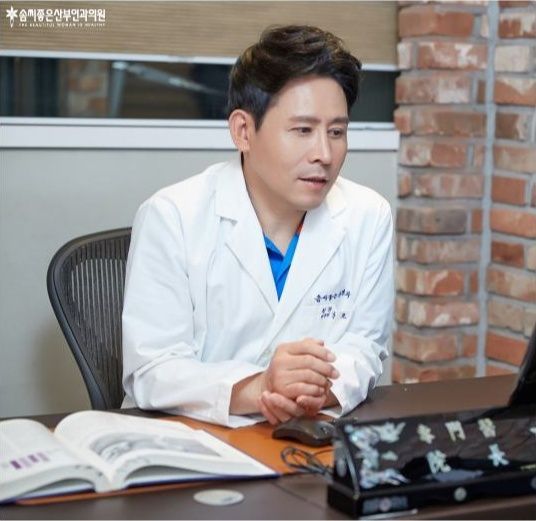
Dr. Yoon Ho-joo, MD, PhD
OB/GYN specialist, Catholic University of Korea. Founder of Somssi Women's Clinic (2000). Published on female sexual function after reconstructive vaginal surgery; speaker at ESSM, ISSWSH, WAS and SMSNA.
Questions patients ask
Frequently asked questions
Short, honest answers. For anything personal, a consultation is the right place to ask.
Do I have PCOS if my ultrasound shows polycystic ovaries?
Not necessarily. Polycystic-looking ovaries alone, with regular periods and no signs of androgen excess, do not make the diagnosis; up to a quarter of healthy young women have this appearance. PCOS requires two of three features: irregular ovulation, androgen excess and polycystic ovaries, after thyroid, prolactin and adrenal causes are excluded. Dr. Yoon assesses all three rather than relying on the scan.
Can I get pregnant with PCOS?
Yes. PCOS is one of the most treatable causes of infertility. Many women conceive naturally, particularly after modest weight loss where weight is raised, and most of the rest ovulate with letrozole or clomiphene tablets monitored by ultrasound. Only a minority need IVF. Because PCOS raises the risk of gestational diabetes, early glucose testing is arranged once you are pregnant.
Does PCOS mean I will gain weight?
Not inevitably. Insulin resistance makes weight gain easier and loss harder for many women with PCOS, but a substantial proportion are of normal weight. Strength training, adequate protein, limiting refined carbohydrates and good sleep improve insulin sensitivity regardless of the scale. Where weight is raised, a 5–10% reduction often restores ovulation and improves skin, hair and metabolic markers.
Is the pill the only treatment for PCOS?
No. The combined pill is the most convenient way to regulate cycles, protect the uterine lining and improve acne and hair, but if you cannot or prefer not to take estrogen, cyclical progesterone or a hormonal IUD protects the lining, metformin helps insulin resistance and cycles, and anti-androgens treat skin and hair. If you want to conceive, the pill is stopped and ovulation induction is used instead.
How often should I be checked?
After starting treatment, a review at three months checks side effects and bleeding. Thereafter, every 6–12 months we check weight, blood pressure, glucose or HbA1c and lipids, because PCOS raises long-term diabetes and cardiovascular risk. If your periods are very infrequent and you are not on hormonal treatment, an ultrasound of the uterine lining is added. Goals are reassessed as your life changes.
Can PCOS be diagnosed in teenagers?
Yes, but carefully. In the first eight years after a first period, irregular cycles and acne are common and ovaries often look polycystic on ultrasound, so the scan is not used. Diagnosis in adolescents needs both irregular cycles (beyond the normal settling period) and clear androgen excess. When the picture is unclear, we label it "at risk" and reassess rather than over-diagnosing.
Keep reading
Related treatments and guides
- IUD Insertion and Removal — the hormonal IUD as endometrial protection when estrogen is unsuitable
- Fibroid Treatment — another cause of heavy or irregular bleeding found on ultrasound
- HRT (Hormone Replacement Therapy) — hormonal care at a later stage of life from the same clinic
- Cervical Screening (Pap Smear Test) — routine screening to combine with a PCOS review
- Hormonal Imbalance Treatments — the clinic's broader hormonal care
- Pregnancy Checkups — continuing care once you conceive
- International Patients — English results and remote follow-up for long-term conditions
Sources and medical review
- American College of Obstetricians and Gynecologists (ACOG), Practice Bulletin on polycystic ovary syndrome
- International Evidence-based Guideline for the Assessment and Management of Polycystic Ovary Syndrome (2023), endorsed by major endocrine and reproductive societies
- World Health Organization (WHO), polycystic ovary syndrome fact sheet
Next step
A consultation first. A decision only when you are ready.
Tell us what you are experiencing and what you hope to change. Dr. Yoon examines, measures and explains the options, including when no surgery is the right answer. International patients can start with an online consultation before travelling to Seoul.
