
Hormonal health
Hormonal Imbalance Treatment in Korea: Menopause and Hormone Therapy in Seoul
Irregular cycles, hot flashes, dryness, low libido or mood and sleep changes? Find out what is driving them and what actually helps.
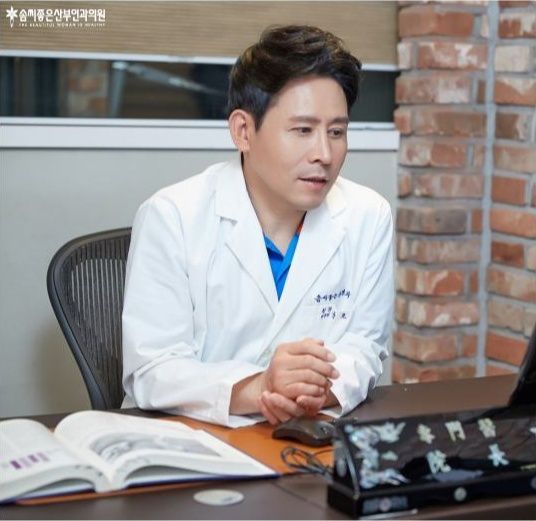
Somssi Women's Clinic is a surgical gynecology clinic in Gangnam, Seoul, founded in 2000 and led by Dr. Yoon Ho-joo, MD, PhD. For hormonal imbalance we start with a careful history, in-clinic ultrasound and targeted blood tests, then match treatment to you: menopausal hormone therapy, low-dose vaginal estrogen, carefully selected testosterone, non-hormonal medicines or lifestyle changes. Written estimates follow the consultation; nothing is prescribed without an honest talk about risks.

Symptoms
What are the signs of a hormonal imbalance?
Hormones shift naturally across your life: in the years before menopause, after childbirth, with thyroid changes, with polycystic ovary syndrome, and sometimes because of stress, weight change or medication. The symptoms overlap, which is why guessing rarely works and testing does. If several of the signs on the right sound familiar, a single visit with ultrasound and bloodwork usually gives a clear answer.
Many of these symptoms have non-hormonal causes too, from iron deficiency to sleep apnea, so the evaluation looks beyond hormones before we treat them.
- Irregular, missed or heavy periods , or cycles that have become unpredictable in your 40s.
- Hot flashes and night sweats that disturb sleep or work.
- Vaginal dryness, burning or pain with intercourse , recurrent urinary infections or a new sense of looseness.
- Low libido or difficulty with arousal and orgasm that is new for you.
- Mood changes, anxiety, brain fog and poor sleep without an obvious cause.
- PCOS signs: acne, excess facial or body hair, thinning scalp hair, weight gain around the middle, infrequent periods, difficulty conceiving.
- Fatigue, feeling cold, hair loss or palpitations , which can point to the thyroid rather than the ovaries.
Diagnosis
How do we find out which hormones are out of balance?
- Your history. Cycle pattern, symptoms and when they began, pregnancies, contraception, medications and supplements, family history of breast cancer, clots and heart disease. This decides which tests are worth doing and which treatments are safe.
- Examination and ultrasound. A pelvic ultrasound in the clinic shows the ovaries (follicle count, cysts, the polycystic pattern), the thickness of the uterine lining, fibroids and adenomyosis. Thin, pale vaginal tissue on examination is itself a sign of low estrogen.
- Blood tests, chosen for you. Depending on your symptoms and cycle day: FSH and LH, estradiol, AMH (ovarian reserve), TSH and thyroid hormones, prolactin, and androgens such as testosterone and DHEA-S when PCOS or low libido is the question. We do not run every panel on everyone, and timing in the cycle matters, so we may ask you to come on a specific day.
- A plan you understand. Results are usually back within a few days. We explain them in plain English, by email or at a follow-up visit, with the options, their trade-offs and a written estimate.
Treatment
What are the treatment options for hormonal imbalance?
There is no single right answer. The best choice depends on your age, how far you are from menopause, which symptoms bother you most and your personal risk profile. These are the main routes we use, often in combination.
Menopausal hormone therapy (MHT / HRT)
The most effective treatment for hot flashes, night sweats and sleep disruption, and it protects bone. Estrogen alone is used after hysterectomy; estrogen plus a progestogen is needed when you still have a uterus, to protect the lining. Tablets, patches and gels are all available in Korea. Dr. Yoon tailors the regimen to early menopause, surgical menopause or natural menopause and reviews it yearly. The clinic's general guidance is to keep courses as short as symptoms allow and to reassess regularly; see the HRT page .
Low-dose vaginal estrogen
For dryness, burning, painful intercourse and recurrent urinary infections, a small dose of estrogen applied as a cream or tablet directly in the vagina restores the tissue with very little absorption into the bloodstream. It can be used by many women who cannot or do not want to take systemic hormones, and it works alongside moisturizers and lubricants. Improvement usually takes several weeks of regular use.
Testosterone for low libido (selected women)
Dr. Yoon's published research includes a study of hypoactive sexual desire disorder in Korean women, and low sexual desire is taken seriously here rather than dismissed. In carefully selected postmenopausal women whose main complaint is loss of desire, a very low dose of testosterone, roughly a tenth of a male dose, can be added to estrogen therapy. It is not for everyone, needs blood-level monitoring, and other causes of low desire, including pain, relationship factors and medication, are addressed first.
Non-hormonal medicines and lifestyle
If hormones are unsuitable or unwanted, certain non-hormonal prescription medicines reduce hot flashes, and targeted treatment exists for sleep and mood. For PCOS, the combined pill, cycle regulation, insulin-sensitizing medication and skin or hair treatments are matched to your goals, including fertility; see PCOS management . Across all of these, balanced nutrition, regular aerobic exercise, strength training for bone and limiting alcohol make a measurable difference, and we say so plainly rather than reaching for a prescription first.
Beyond hormones
When hormones are not enough
Estrogen can rebuild thin vaginal lining, but it cannot reopen a vagina that has narrowed after years without intercourse, re-tighten a wall that was stretched by childbirth, or lift a uterus that has dropped. Women are often told to "just use cream" for years when the real problem is structural. This is where Somssi differs from a general hormone clinic: Dr. Yoon examines the tissue, measures the vaginal length and the pelvic floor, and tells you honestly whether the problem is hormonal, structural or both.
Structural problems are repaired using your own tissue, under sedation with long-acting local anesthesia or local alone, with same-day discharge. Results vary with age and tissue quality, and surgery carries risks that we discuss in detail before you decide.
Vaginal narrowing after menopause
When the entrance or canal has shrunk so that intercourse is painful or impossible, dilatation and reconstruction reopen it. See vaginal stenosis treatment.
Laxity, reduced sensation and dryness together
Posterior vaginoplasty thickens the lower vaginal wall and restores the pelvic floor, which the clinic reports also improves lubrication as nerves and vessels regrow in the thickened wall. See vaginoplasty in Seoul.
The full menopause toolkit
Hormonal, non-hormonal and surgical options for the menopause years, in one place. See menopause treatments and uterine prolapse surgery.
Safety
Who should avoid hormone therapy?
For most healthy women within about ten years of menopause and under 60, the benefits of hormone therapy for troublesome symptoms outweigh the risks. For others the balance tips the other way, and there are women for whom it is not an option at all. We go through this honestly at the first visit, and we would rather say no than prescribe something that is not safe for you.
Whatever you take, we review it at least yearly, keep the dose at the lowest that controls your symptoms, and make sure your breast screening and cervical screening are up to date.
Hormone therapy is usually not advised if you have:
- A history of breast cancer or endometrial (uterine) cancer , or an undiagnosed breast lump or unexplained vaginal bleeding that has not yet been investigated.
- A history of blood clots in the legs or lungs, or a known clotting disorder. Patches and gels carry less clot risk than tablets, but a past clot still needs specialist review.
- A previous stroke or heart attack , or active liver disease.
- Started more than ten years after menopause or after about age 60. This is the "timing hypothesis" in plain words: starting hormones early in menopause appears neutral or helpful for the heart and blood vessels, while starting late, when the arteries have already changed, may raise the risk of heart problems and stroke. Late starters are not automatically excluded, but the case has to be strong and the dose low.
- Long-term use concerns. Combined estrogen-progestogen therapy taken for many years is linked with a small increase in breast cancer risk, and estrogen alone without a progestogen in a woman with a uterus raises endometrial cancer risk. This is why regimens are reviewed every year and why we do not simply renew a prescription indefinitely.
Low-dose vaginal estrogen has far fewer restrictions and may still be suitable for some women on this list, including some breast cancer survivors after discussion with their oncologist.
FAQ
Hormone therapy in Korea: common questions
Practical answers for women living in or visiting Seoul. For how the clinic works with international patients, including follow-up from abroad, see the international patient guide and the full FAQ .
Can I continue the hormone therapy I started in my home country?
Usually yes. Bring the product name, dose and your most recent results. Korea stocks most standard estrogen and progestogen preparations, and where an identical brand is unavailable Dr. Yoon prescribes the closest equivalent and explains any difference. A short consultation and, if due, a blood test are needed before a Korean prescription can be issued.
How long does it take for hormone therapy to work?
Hot flashes and night sweats usually ease within two to four weeks, with full effect by about three months. Vaginal estrogen takes several weeks of regular use before dryness and pain improve. Mood, sleep and libido respond more gradually and sometimes need a dose adjustment, which is why we schedule a review after the first three months.
Will hormone therapy make me gain weight?
Hormone therapy itself does not cause significant weight gain in studies; the weight many women gain around menopause is driven by age-related changes in metabolism and muscle mass. Some women notice bloating or breast tenderness in the first weeks, which usually settles or responds to a change of preparation. Strength training and protein intake matter more for midlife weight than the hormone prescription.
Do I need hormone tests to diagnose menopause?
Not always. In a woman over 45 with typical symptoms and changing periods, the diagnosis is clinical and FSH levels fluctuate too much to be decisive. Tests are most useful under 45, after hysterectomy, when the picture is unclear or when PCOS, thyroid disease or high prolactin need to be ruled out. We test when it will change the plan, not routinely.
Is hormone therapy covered by Korean insurance?
If you are enrolled in the National Health Insurance Service, consultations and many standard menopausal hormone prescriptions are partly covered, as are blood tests ordered for symptoms. Wellness hormone panels without symptoms, some newer preparations and testosterone for libido are self-pay. Visitors pay the full fee and receive an English itemized receipt for their own insurer. A written estimate is given before any test or prescription; see insurance and costs for gynecology in Seoul.
Next step
Get a clear answer about your hormones
One visit with ultrasound and the right blood tests is usually enough to explain what is happening and what to do about it. Tell us your symptoms and a coordinator will book a time and send a written estimate. Learn more about Dr. Yoon Ho-joo and his research in female sexual medicine.
