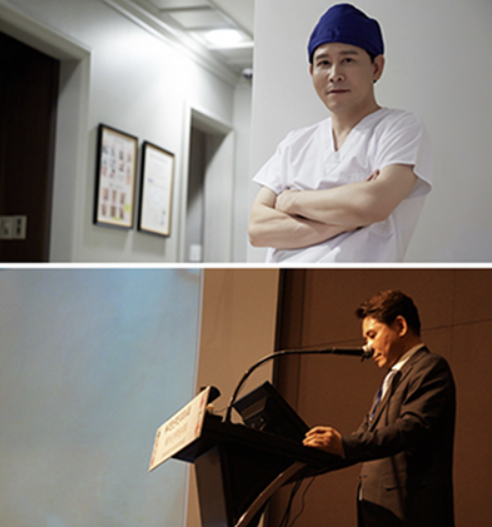
Uterine Prolapse Surgery Seoul Korea | Somssi Women’s Clinic
Uterine prolapse surgery in Seoul, Korea helps restore pelvic support when the uterus descends into or beyond the vaginal canal due to weakened pelvic floor structures. At Somssi Women’s Clinic in Gangnam, treatment is personalized based on prolapse severity, symptoms, age, and future health goals. International patients choose Seoul for advanced gynecologic care, minimally invasive surgical techniques, and private women's health services.
What Is Uterine Prolapse?
Uterine prolapse occurs when the muscles, ligaments, and connective tissues supporting the uterus become weakened, allowing the uterus to descend from its normal position into the vaginal canal.
This condition commonly develops after childbirth, aging, menopause, chronic straining, heavy lifting, obesity, or pelvic floor weakness. While mild prolapse may cause minimal symptoms, more advanced prolapse can significantly affect comfort, bladder function, and daily activities.
Symptoms of Uterine Prolapse
Women with uterine prolapse may experience:
- A feeling of pressure or heaviness in the pelvis
- A bulge or tissue protruding from the vagina
- Pelvic discomfort or pain
- Difficulty emptying the bladder completely
- Frequent urination
- Urinary leakage
- Lower back discomfort
- Difficulty with physical activity
- Vaginal pressure when standing for long periods
- Sexual discomfort
Who Is a Candidate for Uterine Prolapse Surgery?
You may be a candidate if you:
- Have moderate to severe uterine prolapse
- Experience bothersome pelvic pressure
- Have difficulty with bladder or bowel function
- Feel a vaginal bulge
- Have symptoms affecting quality of life
- Have not achieved sufficient improvement with conservative treatments
- Want a more permanent solution
Causes of Uterine Prolapse
Childbirth
Vaginal delivery can stretch and weaken pelvic floor support structures.
Aging
Natural aging causes connective tissue and muscle weakening over time.
Menopause
Reduced estrogen levels can contribute to tissue weakness and loss of support.
Increased Abdominal Pressure
Chronic coughing, constipation, obesity, or heavy lifting may increase the risk of prolapse.
Genetic Factors
Some women naturally have weaker connective tissue and pelvic support structures.
Treatment Options for Uterine Prolapse
Conservative Management
Mild prolapse may be managed with pelvic floor exercises, lifestyle modifications, and pessary devices.
Uterine Preservation Surgery
In selected patients, surgical procedures can restore uterine support while preserving the uterus.
Hysterectomy-Based Repair
Some patients may benefit from prolapse repair combined with hysterectomy, depending on age, symptoms, and overall gynecologic health.
Pelvic Floor Reconstruction
Additional support procedures may be performed to strengthen weakened pelvic structures and improve long-term outcomes.
Benefits of Uterine Prolapse Surgery
Improved Pelvic Support
Surgery restores the uterus and surrounding structures to a more natural position.
Reduced Pelvic Pressure
Many patients experience significant relief from heaviness and discomfort.
Better Bladder Function
Correcting prolapse may improve urinary symptoms and bladder emptying.
Improved Quality of Life
Patients often report greater comfort during daily activities and exercise.
Long-Term Symptom Relief
Surgical correction may provide durable improvement for appropriately selected patients.
Recovery After Uterine Prolapse Surgery
Recovery varies depending on the surgical technique performed.
Most patients can expect:
- Temporary pelvic discomfort
- Activity restrictions during healing
- Follow-up examinations
- Gradual return to normal activities
- Avoidance of heavy lifting during recovery
- Progressive improvement over several weeks
Detailed recovery instructions are provided after surgery.
Why Choose Somssi Women’s Clinic in Gangnam?
Somssi Women’s Clinic provides comprehensive women's health care and advanced gynecologic treatment in Seoul.
Patients choose Somssi Women’s Clinic for:
- Experienced gynecologic specialists
- Personalized surgical planning
- Advanced prolapse treatment options
- Minimally invasive approaches when appropriate
- Private women’s healthcare environment
- Foreigner-friendly services
- Convenient Gangnam location
Frequently Asked Questions
What is uterine prolapse surgery?
Uterine prolapse surgery is a procedure that restores support to the uterus and pelvic organs when weakened tissues allow the uterus to descend into the vaginal canal. The specific surgical approach depends on the severity of prolapse and individual patient goals.
When is surgery recommended for uterine prolapse?
Surgery may be recommended when prolapse symptoms significantly affect quality of life, cause discomfort, create bladder or bowel problems, or fail to improve with conservative treatment options.
Can uterine prolapse be treated without removing the uterus?
Yes. In selected cases, uterine-preserving prolapse repair procedures may be possible. Treatment recommendations depend on age, medical history, prolapse severity, and patient preference.
How long does recovery take after uterine prolapse surgery?
Recovery varies depending on the procedure performed. Most patients gradually return to normal activities over several weeks while avoiding heavy lifting and strenuous activity during the healing period.
Is uterine prolapse surgery painful?
Patients typically experience temporary discomfort after surgery, which is managed with medication and postoperative care. Most symptoms improve steadily as healing progresses.
Can uterine prolapse return after surgery?
While surgery provides significant improvement, recurrence is possible in some patients. Maintaining pelvic floor health and following postoperative recommendations may help support long-term results.
Can international patients receive uterine prolapse surgery in Seoul?
Yes. Somssi Women’s Clinic provides foreigner-friendly gynecologic care and personalized consultation for international patients seeking prolapse treatment in Korea.