
Intimate Health · Treatment
Genital Wart Removal in Seoul: HPV Wart Treatment Options
Genital wart removal clears visible warts caused by low-risk HPV types 6 and 11, usually in a single visit under local anesthesia using laser or electrocautery, with prescription creams or cryotherapy as alternatives for small lesions. At Somssi Women's Clinic in Gangnam, Seoul, Dr. Yoon Ho-joo examines the vulva, vagina, cervix and perianal skin, removes the warts the same day, and offers Gardasil 9 vaccination to lower the risk of new warts.
Medically reviewed by Dr. Yoon Ho-joo, MD, PhD, OB/GYN specialist, Somssi Women's Clinic · Last updated October 2026

At a glance
Key facts
The essentials, based on how Somssi Women's Clinic performs this procedure or answers this question. Your plan is confirmed at consultation.
- Cause: low-risk HPV types 6 and 11 (about 90% of genital warts)
- Procedure time: typically 15–30 minutes for in-clinic removal
- Anesthesia: local; sedation available for larger or multiple lesions
- Hospital stay: none; you go home the same day
- Healing: about 1–2 weeks for small treated areas
- Intercourse: once the skin has healed, usually 2–3 weeks
- Prevention: Gardasil 9 (ages 9–55, 3 doses over 6 months) available at the clinic
Genital wart removal at a glance
Removes visible warts caused by low-risk HPV types 6 and 11, usually in one visit under local anesthesia.
- genital wart removal Korea
- HPV warts treatment
- condyloma removal Seoul
- laser wart removal
- Gardasil 9
- sexual health clinic English
- 15–30 minIn-clinic removal
- LocalAnesthesia
- Same dayDischarge
- Gardasil 9Prevention
- ConfirmExamination and HPV advice.
- TreatLaser or electrocautery; creams for small lesions.
- HealAbout 1–2 weeks.
- PreventGardasil 9 vaccination available.
Illustration: Somssi Women's Clinic, Seoul. Schematic, not to scale; your plan is set by Dr. Yoon Ho-joo after examination.
What are genital warts?
Genital warts (condylomata acuminata) are soft, skin-colored or slightly darker growths on the vulva, around the vaginal opening, inside the vagina, on the cervix or around the anus. They are caused by human papillomavirus (HPV), most often the low-risk types 6 and 11, which account for roughly nine out of ten cases.
HPV is the most common sexually transmitted infection worldwide. Warts can appear weeks to many months after exposure, which is why a new wart does not necessarily mean a recent partner is the source. The low-risk types that cause warts are different from the high-risk types (16, 18 and others) linked to cervical cancer, although both can be present at the same time.
Somssi Women's Clinic is a surgical gynecology clinic in Gangnam, Seoul, founded in 2000 and led by Dr. Yoon Ho-joo, MD, PhD. Alongside its reconstructive and cosmetic vulvovaginal surgery, the clinic treats everyday intimate-health problems such as warts, Bartholin cysts and skin tags for English-speaking residents and visitors.
Who should have genital warts removed?
Warts sometimes disappear on their own within a year or two, but most women prefer not to wait. Treatment is reasonable if you have:
- Visible or palpable growths on the vulva, perineum or around the anus
- Itching, irritation, bleeding or discomfort with intercourse or wiping
- Warts that are growing, spreading or multiplying
- Anxiety about transmission to a partner
- A planned pregnancy, since warts can enlarge during pregnancy and some creams are not allowed then
- A lesion that looks unusual (pigmented, hard, ulcerated or fixed), which needs examination to rule out other conditions
If you are unsure whether a bump is a wart, a skin tag, a molluscum lesion or simply a normal variation of anatomy, an examination settles it quickly. Our anal skin tag removal page explains how tags differ from warts.
How Somssi treats genital warts
There is no single best method; the right choice depends on how many warts you have, where they are, how large they are, and whether you are pregnant. Dr. Yoon examines the entire anogenital area, including the vagina and cervix with a speculum, because warts on the outside are often accompanied by lesions inside.
In-clinic removal
- Laser or electrocautery ablation: the wart is vaporized or coagulated under local anesthesia. This clears most lesions in one visit and is well suited to multiple or larger warts.
- Surgical excision: larger or pedunculated warts are shaved or excised, and tissue can be sent for pathology if the appearance is atypical.
- Cryotherapy: freezing with liquid nitrogen, usually repeated every 1–2 weeks until clear. Safe in pregnancy.
- Trichloroacetic acid (TCA): a chemical applied by the doctor to small lesions, repeated weekly as needed. Also acceptable in pregnancy.
Home-applied prescription treatments
- Imiquimod cream: stimulates the local immune response; applied several times a week for up to 16 weeks. Lower recurrence than ablation in some studies, but slower, and it can cause redness and soreness.
- Podophyllotoxin: applied twice daily for three days, then four days off, for up to four cycles. Not used in pregnancy or on internal (vaginal or cervical) lesions.
| Option | Best for | Visits | Notes |
|---|---|---|---|
| Laser / electrocautery | Multiple, larger or internal warts | Usually one | Local anesthesia; fastest clearance |
| Cryotherapy / TCA | Few small external warts; pregnancy | Weekly until clear | Mild stinging; no anesthesia needed |
| Imiquimod / podophyllotoxin | Small external warts, patient preference | Home use, review at 4–6 weeks | Slower; skin irritation common |
Anesthesia, duration and hospital stay
Most removals are done under local anesthesia in 15–30 minutes. For extensive warts, or if you are very anxious, the clinic can use its usual combination of sleep (sedation) anesthesia plus long-acting local anesthetic, the same approach used for its vulvovaginal surgery. In either case you walk out the same day; there is no hospital stay.
You can usually drive and return to work the next day. If you receive sedation, arrange for someone to accompany you home.
Recovery timeline
| When | What you can expect and do |
|---|---|
| Day of treatment | Mild burning or soreness; shower normally; keep the area clean and dry |
| Days 2–7 | Small raw spots crust and heal; wear loose cotton underwear; avoid tight clothing and cycling |
| Weeks 1–2 | Most small treated areas close over; the skin may stay pink for a few more weeks |
| Weeks 2–3 | Intercourse once the skin is fully healed and comfortable |
| Weeks 4–12 | Follow-up check; this is the period when new warts are most likely to appear |
Pain is usually controlled with over-the-counter pain relief. Avoid sitz baths with perfumed products, and use a barrier ointment if the area rubs against clothing.
Results and what to expect
Removal clears the warts you can see, but it does not remove HPV from the surrounding skin. Because of this, new warts appear in roughly one in four women within the first few months, most often within three months of treatment. A second short session, or a course of imiquimod, usually deals with them.
Most people clear HPV naturally within one to two years. Once you have been free of warts for several months, recurrence becomes much less likely. Results vary with the extent of disease, immune status and smoking.
Risks and how we reduce them
- Pain and soreness for several days, more noticeable with larger treated areas
- Minor bleeding, usually controlled at the time of treatment
- Infection, uncommon; we explain hygiene and warning signs
- Scarring or lighter/darker skin where larger warts were removed; precise, shallow ablation minimizes this
- Recurrence, as explained above
- Anesthesia reactions, rare with local anesthetic
Because of the overlap between HPV types, we recommend a cervical screening (Pap) test if you are due or have never had one. Read about cervical screening and HPV co-testing, and consider a full STI screen, since other infections share the same routes of transmission.
HPV vaccination after warts
Gardasil 9 protects against HPV types 6, 11, 16, 18, 31, 33, 45, 52 and 58. It will not treat warts you already have, but it protects against the HPV types you have not yet encountered and may reduce recurrence. The vaccine is licensed for ages 9–55 and is given as three intramuscular doses over six months at Somssi Women's Clinic. Dr. Yoon will discuss whether vaccination makes sense for you and your partner.
Why international patients choose Somssi
The clinic has been registered with Korea's Ministry of Health and Welfare as an institution for foreign patients since 2011 and was selected as a Seoul Medical Tourism cooperation clinic in 2016. Consultations are available in English, and the clinic sits 100 m from Gangnam Station Exit 1 on Teheran-ro.
Wart removal is a same-day procedure, which suits visitors on a short stay, and follow-up questions can be handled from abroad. Learn more on our international patients page or contact us to book a discreet consultation. For an overview of everyday gynecology at the clinic, see our gynecological care page.
Private consultation
Talk it through with Dr. Yoon's team
English-speaking coordinators, a written treatment plan and a clear quote after your consultation. Same-day discharge for most procedures.
Mon, Tue, Wed, Fri, Sat 09:30–18:00 (KST). Closed Thu, Sun and holidays. 7F Sangkyung Building, 120 Teheran-ro, Gangnam-gu, Seoul.
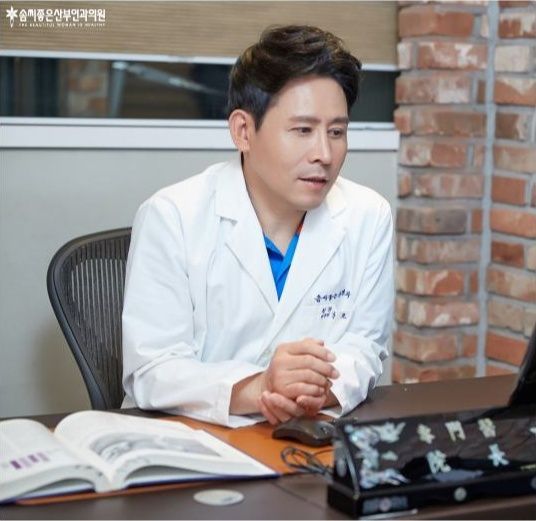
Dr. Yoon Ho-joo, MD, PhD
OB/GYN specialist, Catholic University of Korea. Founder of Somssi Women's Clinic (2000). Published on female sexual function after reconstructive vaginal surgery; speaker at ESSM, ISSWSH, WAS and SMSNA.
Questions patients ask
Frequently asked questions
Short, honest answers. For anything personal, a consultation is the right place to ask.
Can genital warts go away without treatment?
Yes. The immune system clears many HPV infections within one to two years, and some warts regress on their own. However, they can also grow, multiply and spread to a partner while you wait. Most women choose treatment for comfort, appearance and peace of mind. If you prefer to watch and wait, an examination is still worthwhile to confirm the diagnosis.
Does wart removal hurt?
In-clinic removal is done under local anesthesia, so you feel pressure rather than pain. Afterward, the treated spots feel like small grazes for several days and respond to ordinary pain relief. Cryotherapy and TCA sting briefly without anesthesia. If you are anxious or have many warts, sedation can be added.
Will the warts come back?
About one in four women sees new warts within a few months, because HPV remains in the surrounding skin after the visible wart is removed. Recurrences are usually smaller and easier to treat. Not smoking, completing any home treatment course and HPV vaccination all help lower the chance of recurrence.
Should my partner be examined?
Partners who have visible warts should be treated. Partners without warts do not need testing, since there is no routine HPV test for men and most infections are silent. Condoms reduce but do not eliminate transmission. Vaccination with Gardasil 9 is worth discussing for partners up to age 55.
Can I be treated during pregnancy?
Yes, with the right method. Cryotherapy, TCA, laser and surgical removal are considered safe in pregnancy; podophyllotoxin and imiquimod are avoided. Warts often enlarge during pregnancy and shrink after delivery, so treatment is usually reserved for symptomatic or large lesions. Tell Dr. Yoon if you are or may be pregnant.
Does having genital warts mean I will get cervical cancer?
No. Warts are caused by low-risk HPV types that do not cause cancer. You can, however, carry a high-risk type at the same time, which is why we recommend being up to date with cervical screening. A normal Pap or HPV test is reassuring, and Gardasil 9 protects against the main cancer-causing types.
Keep reading
Related treatments and guides
- Cervical Screening (Pap Smear Test) — why women with warts should stay up to date with HPV and cervical screening
- STI & STD Screening — a full panel checks for infections that share the same transmission routes
- Anal Skin Tag Removal — how to tell a harmless skin tag from a perianal wart
- Bartholin Cyst Removal — another common vulvar lump that is often mistaken for something else
- Labiaplasty (Labia Reshaping Surgery) — vulvar procedures that can be planned once the skin has fully healed
- International Patients — English consultation, same-day procedures and follow-up from abroad
Sources and medical review
- Centers for Disease Control and Prevention (CDC), Sexually Transmitted Infections Treatment Guidelines — anogenital warts
- World Health Organization (WHO), human papillomavirus (HPV) and cervical cancer fact sheet
- American College of Obstetricians and Gynecologists (ACOG), guidance on HPV vaccination and management of anogenital warts
Next step
A consultation first. A decision only when you are ready.
Tell us what you are experiencing and what you hope to change. Dr. Yoon examines, measures and explains the options, including when no surgery is the right answer. International patients can start with an online consultation before travelling to Seoul.
