
General Gynecology · Treatment
STI and STD Testing in Seoul: Confidential Screening in English
STI testing checks for sexually transmitted infections using a vaginal swab or urine PCR panel for chlamydia, gonorrhea, trichomonas, mycoplasma and ureaplasma, plus blood tests for HIV, syphilis and hepatitis B and C, with most results back within a few days. Somssi Women's Clinic in Gangnam, Seoul provides confidential testing, English-language results and same-day treatment under Dr. Yoon Ho-joo, with advice on when each test becomes reliable after exposure.
Medically reviewed by Dr. Yoon Ho-joo, MD, PhD, OB/GYN specialist, Somssi Women's Clinic · Last updated October 2026

At a glance
Key facts
The essentials, based on how Somssi Women's Clinic performs this procedure or answers this question. Your plan is confirmed at consultation.
- Samples: self-taken or doctor-taken vaginal swab, urine, and a blood draw
- Visit time: 15–20 minutes; examination only if you have symptoms
- Typical panel: chlamydia, gonorrhea, trichomonas, Mycoplasma genitalium, ureaplasma, HIV, syphilis, hepatitis B and C; HPV and herpes when indicated
- Results: PCR panel usually in 2–3 business days; blood tests within about a week
- Window periods: chlamydia and gonorrhea reliable from about 2 weeks; HIV from 6 weeks (4th-generation test); syphilis from 6–12 weeks
- Treatment: same-day antibiotics for most bacterial infections; partner treatment advised
- Confidentiality: results shared only with you
STI testing at a glance
Confidential STI testing with swab or urine PCR plus blood tests, most results back within a few days.
- STD testing Seoul
- STI test Korea English
- chlamydia test
- gonorrhea test
- HIV test Seoul
- confidential sexual health
- PCR panel + bloodTests
- 15–20 minVisit
- 2–3 business daysPCR results
- Shared only with youConfidentiality
- Choose the panelBased on exposure and symptoms.
- Collect samplesSwab, urine and blood.
- Get resultsPCR in 2–3 business days.
- TreatSame-day antibiotics for most bacteria.
Illustration: Somssi Women's Clinic, Seoul. Schematic, not to scale; your plan is set by Dr. Yoon Ho-joo after examination.
What is STI testing?
STI (sexually transmitted infection) testing, also called STD testing, looks for infections passed through vaginal, anal or oral sex. Many of them cause no symptoms in women, yet untreated chlamydia and gonorrhea can lead to pelvic inflammatory disease, chronic pain, ectopic pregnancy and infertility, and untreated syphilis, HIV and hepatitis have serious long-term consequences. Testing is simple, treatment is usually straightforward, and knowing is far better than wondering.
Somssi Women's Clinic is a surgical gynecology clinic in Gangnam, Seoul, founded in 2000 and led by Dr. Yoon Ho-joo, MD, PhD. Alongside its specialist surgery, the clinic offers confidential STI screening and treatment for English-speaking residents and visitors who want clear answers without a language barrier.
Who should be tested?
- Anyone with a new sexual partner, or more than one partner, since their last test
- After unprotected sex, a broken condom or a partner's positive result
- Symptoms such as unusual discharge, burning when urinating, pelvic pain, bleeding after sex or between periods, sores, blisters or lumps
- Before starting a new relationship, stopping condoms or trying for pregnancy
- Before IUD insertion or other gynecological procedures, if at risk
- Annually for sexually active women under 25, and for older women with new or multiple partners, as recommended by the CDC
- During pregnancy, when screening for HIV, syphilis, hepatitis B and chlamydia is routine
- After sexual assault, with support and preventive treatment offered
What the panel includes
Korean laboratories commonly run a multiplex PCR panel from a single swab or urine sample that detects a dozen organisms at once. Dr. Yoon tailors the panel to your situation, but a full screen usually covers the following.
| Infection | Sample | Reliable from (window period) | Typical result time |
|---|---|---|---|
| Chlamydia | Vaginal swab or urine PCR | About 2 weeks after exposure | 2–3 business days |
| Gonorrhea | Vaginal swab or urine PCR; throat or rectal swab if relevant | About 2 weeks | 2–3 business days |
| Trichomonas, Mycoplasma genitalium, ureaplasma, Gardnerella | Same PCR panel | About 1–2 weeks | 2–3 business days |
| HIV | Blood (4th-generation antigen/antibody test) | From 6 weeks; conclusive at 3 months | A few days to a week |
| Syphilis | Blood (treponemal and non-treponemal tests) | 6–12 weeks | A few days to a week |
| Hepatitis B and C | Blood | Hepatitis B from about 6 weeks; hepatitis C antibody up to 3 months | A few days to a week |
| Herpes (HSV-1/2) | Swab of a sore for PCR; blood antibodies only in specific cases | Swab during an outbreak | 2–3 business days |
| HPV | Cervical sample with Pap smear | Not an exposure test; part of cervical screening | 1–2 weeks |
Routine blood antibody tests for herpes are not recommended for people without symptoms, because they cannot say where or when the infection was acquired and often cause needless worry. HPV is checked as part of cervical screening rather than as an STI test.
What happens at the visit
You are seen privately. Dr. Yoon asks about your symptoms, the timing of any exposure, the kinds of sex you have had and any previous infections; the questions are practical, not judgmental, and determine which tests are useful. If you have no symptoms, you can take your own vaginal swab in the bathroom or give a urine sample, and a nurse draws blood. If you have discharge, pain or sores, a brief speculum examination lets us sample the right place and often start treatment immediately.
If you test too soon after an exposure, a negative result is not final. We will tell you which tests need repeating and when. For a high-risk HIV exposure within the past 72 hours, post-exposure prophylaxis (PEP) is time-critical and is arranged through a hospital infectious-disease service; contact us or an emergency department immediately.
What to bring
- Passport or ARC; National Health Insurance card if you have one (symptomatic testing is often covered, routine screening usually is not)
- Any results or treatment letters from abroad
- A note of your last period, contraception and medicines
Results and treatment
Most PCR results return within two to three business days and blood tests within about a week. We contact you in English by your preferred method and provide a written report you can keep or show to a doctor elsewhere. Positive results are explained calmly with a plan.
- Chlamydia, gonorrhea, trichomonas, mycoplasma: antibiotics prescribed the same day; avoid sex for 7 days after treatment and until partners are treated; test of cure for gonorrhea and in pregnancy, and a repeat test at 3 months because reinfection is common
- Syphilis: penicillin injections, staged by how long you have had it, with blood follow-up
- HIV, hepatitis B or C: confirmatory testing and referral to a specialist service; modern treatment allows a normal life expectancy
- Herpes: antiviral tablets for outbreaks or suppression
Partners should be tested and treated at the same time; we can provide a letter in English. In Korea, public health centers (보건소) also offer free, anonymous HIV testing if you prefer that route for that test alone.
Timeline after exposure
| When | What to do |
|---|---|
| Within 72 hours | Consider emergency contraception if relevant; seek PEP urgently after a high-risk HIV exposure |
| Any time | Test immediately if you have symptoms; treatment does not wait for the window period |
| 2 weeks | PCR panel for chlamydia, gonorrhea and other bacterial or protozoal infections |
| 6 weeks | HIV 4th-generation test, hepatitis B; early syphilis test |
| 3 months | Final HIV, syphilis and hepatitis C tests; repeat chlamydia/gonorrhea after treatment |
Risks, limitations and privacy
- Window periods: a test taken too early can miss an infection; we schedule repeats accordingly
- False positives: uncommon with PCR but possible with screening blood tests, which is why positives are confirmed before you are told you have an infection
- Discomfort: minimal; a swab or blood draw
- Confidentiality: results are given only to you; Korean law requires anonymized reporting of certain infections for public health statistics, without your name being shared with employers or immigration
Testing is not prevention. Condoms substantially reduce transmission of most infections, and HPV vaccination with Gardasil 9 prevents the types responsible for most warts and cervical cancers; the clinic offers it for ages 9–55.
Why international patients choose Somssi
Language is the biggest obstacle to sexual health care abroad. At Somssi Women's Clinic the history, the results and the treatment plan are all explained in English by the specialist, and written reports are provided for your records. The clinic is 100 m from Gangnam Station Exit 1, has been a Ministry of Health and Welfare registered institution for foreign patients since 2011 and a Seoul Medical Tourism cooperation clinic since 2016.
Testing can be combined with emergency contraception, cervical screening or a contraception consultation in one visit. See our gynecological care overview, our international patients page, or contact the clinic to book a confidential appointment.
Private consultation
Talk it through with Dr. Yoon's team
English-speaking coordinators, a written treatment plan and a clear quote after your consultation. Same-day discharge for most procedures.
Mon, Tue, Wed, Fri, Sat 09:30–18:00 (KST). Closed Thu, Sun and holidays. 7F Sangkyung Building, 120 Teheran-ro, Gangnam-gu, Seoul.
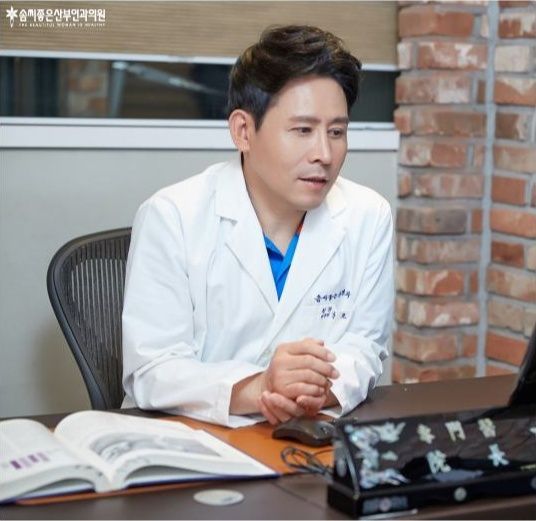
Dr. Yoon Ho-joo, MD, PhD
OB/GYN specialist, Catholic University of Korea. Founder of Somssi Women's Clinic (2000). Published on female sexual function after reconstructive vaginal surgery; speaker at ESSM, ISSWSH, WAS and SMSNA.
Questions patients ask
Frequently asked questions
Short, honest answers. For anything personal, a consultation is the right place to ask.
How soon after unprotected sex can I get tested?
It depends on the infection. Chlamydia and gonorrhea tests are reliable about two weeks after exposure, HIV fourth-generation tests from six weeks (conclusive at three months), and syphilis from six to twelve weeks. If you have symptoms, test straight away regardless. We usually do an initial panel at two weeks and blood tests at six weeks and three months.
Is STI testing confidential in Korea?
Yes. Your results are given only to you, in English, and are not shared with employers, schools or immigration. Certain infections are reported anonymously to health authorities for statistics, as in most countries, without identifying you. Public health centers also provide free anonymous HIV testing if you prefer that for the HIV test alone.
Do I need an examination to be tested?
Not if you have no symptoms. You can take your own vaginal swab in private or give a urine sample, and blood is drawn from your arm. If you have discharge, pain, bleeding or sores, a short speculum examination helps us sample the right site and start treatment the same day. The whole visit takes about 15–20 minutes.
What does a full STI panel cost and is it covered by insurance?
The clinic provides a written estimate at the visit, since the price depends on which tests are included. Testing for symptoms is often covered by Korean National Health Insurance; routine screening without symptoms is generally a non-covered item paid directly. Bring your insurance card if you have one, and ask us to explain the breakdown.
Can STIs be cured?
Bacterial and protozoal infections such as chlamydia, gonorrhea, syphilis, trichomonas and mycoplasma are cured with antibiotics, provided partners are treated too. Viral infections such as herpes, HIV and hepatitis B are managed rather than cured, but modern antiviral treatment controls them effectively, and hepatitis C is now curable with tablets. HPV usually clears by itself.
Should my partner be tested if my result is positive?
Yes. Treating you without treating your partner usually leads to reinfection. Partners from the past 60 days for chlamydia or gonorrhea should be tested and treated, and we can provide a letter in English for a clinic in another country. Avoid sex until both of you have finished treatment and, for gonorrhea, until a test of cure is negative.
Keep reading
Related treatments and guides
- Cervical Screening (Pap Smear Test) — HPV and cervical checks that complement an STI panel
- Emergency Birth Control — if pregnancy is also a concern after unprotected sex
- Genital Wart Removal — treatment and HPV vaccination if warts are found
- Bartholin Cyst Removal — a vulvar swelling occasionally linked to gonorrhea or chlamydia
- IUD Insertion and Removal — why screening is offered before an IUD is fitted
- Gynecological Care — the clinic's everyday gynecology services in English
- International Patients — confidential care and English reports for visitors and residents
Sources and medical review
- Centers for Disease Control and Prevention (CDC), Sexually Transmitted Infections Treatment Guidelines and screening recommendations
- World Health Organization (WHO), sexually transmitted infections fact sheet
- American College of Obstetricians and Gynecologists (ACOG), guidance on screening and management of sexually transmitted infections in women
Next step
A consultation first. A decision only when you are ready.
Tell us what you are experiencing and what you hope to change. Dr. Yoon examines, measures and explains the options, including when no surgery is the right answer. International patients can start with an online consultation before travelling to Seoul.
