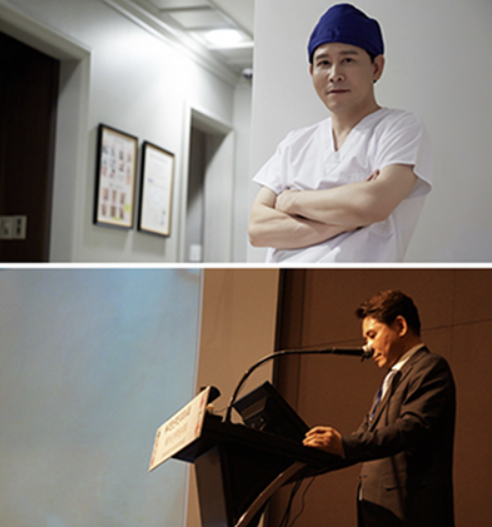
Pelvic Floor Disorders Seoul Korea |
Somssi Women’s Clinic
Pelvic floor disorders are conditions that occur when the muscles, ligaments, and connective tissues supporting the pelvic organs become weakened or dysfunctional. At Somssi Women’s Clinic in Gangnam, Seoul, treatment is personalized to address symptoms such as urinary incontinence, pelvic organ prolapse, pelvic pressure, bowel dysfunction, and chronic pelvic discomfort. Advanced diagnostic evaluation and customized treatment plans help restore pelvic function and improve quality of life.
What Are Pelvic Floor Disorders?
The pelvic floor is a group of muscles, ligaments, and connective tissues that support the bladder, uterus, vagina, rectum, and other pelvic organs. These structures play an important role in urinary control, bowel function, sexual health, and pelvic stability.
When the pelvic floor becomes weakened, stretched, injured, or dysfunctional, a variety of symptoms can develop. Pelvic floor disorders are common among women, particularly after childbirth, menopause, aging, or pelvic surgery.
Common Types of Pelvic Floor Disorders
Pelvic Organ Prolapse
Pelvic organ prolapse occurs when one or more pelvic organs descend into the vaginal canal due to weakened support structures.
Urinary Incontinence
Loss of bladder control may cause involuntary urine leakage during coughing, laughing, exercise, or sudden urges to urinate.
Overactive Bladder
Women with overactive bladder may experience urinary urgency, frequent urination, and nighttime urination.
Fecal Incontinence
Pelvic floor dysfunction can affect bowel control and lead to accidental stool leakage.
Pelvic Floor Muscle Dysfunction
Poor coordination or weakness of pelvic floor muscles can cause pain, urinary symptoms, bowel issues, and sexual discomfort.
Chronic Pelvic Pain
Some women experience persistent pelvic discomfort related to muscle dysfunction, nerve irritation, or pelvic floor tension.
Symptoms of Pelvic Floor Disorders
Symptoms vary depending on the specific condition but may include:
- Pelvic pressure or heaviness
- Vaginal bulging
- Urinary leakage
- Frequent urination
- Sudden urinary urgency
- Difficulty emptying the bladder
- Constipation
- Difficulty with bowel movements
- Stool leakage
- Pelvic pain or discomfort
- Pain during intercourse
- Lower back discomfort
Causes of Pelvic Floor Disorders
Childbirth
Pregnancy and vaginal delivery can stretch and weaken pelvic floor muscles and connective tissues.
Aging
Natural aging may reduce muscle strength and tissue support.
Menopause
Hormonal changes can affect pelvic tissue strength and elasticity.
Obesity
Excess body weight increases pressure on pelvic support structures.
Chronic Straining
Constipation, heavy lifting, and chronic coughing may contribute to pelvic floor damage.
Pelvic Surgery
Previous gynecologic or pelvic surgery can occasionally affect pelvic floor function.
Diagnosis of Pelvic Floor Disorders
At Somssi Women’s Clinic, diagnosis begins with a comprehensive evaluation that may include:
- Detailed medical history
- Pelvic examination
- Bladder function assessment
- Pelvic floor strength evaluation
- Imaging studies when necessary
- Specialized urogynecologic testing
Accurate diagnosis allows for personalized treatment recommendations.
Treatment Options for Pelvic Floor Disorders
Pelvic Floor Rehabilitation
Targeted exercises and therapy may strengthen muscles and improve pelvic floor function.
Lifestyle Modifications
Weight management, bowel regulation, and bladder training may help reduce symptoms.
Vaginal Pessary
A pessary may provide support for certain cases of pelvic organ prolapse.
Neuromodulation Therapy
Neuromodulation may help improve bladder control, urgency, frequency, and pelvic floor dysfunction.
Pelvic Reconstructive Surgery
Surgical treatment may be recommended for advanced prolapse or significant pelvic support defects.
Pelvic Organ Prolapse Repair
Specialized prolapse repair procedures can restore normal pelvic anatomy and function.
Benefits of Treatment
Improved Bladder Control
Many patients experience reduced urinary leakage and better bladder function.
Better Bowel Function
Treatment may improve constipation, bowel emptying, and continence.
Reduced Pelvic Pressure
Pelvic support restoration can relieve heaviness and discomfort.
Improved Sexual Health
Treatment may improve comfort, confidence, and overall intimate wellness.
Enhanced Quality of Life
Many women experience significant improvement in daily activities, exercise, travel, and social confidence.
Why Choose Somssi Women’s Clinic in Gangnam?
Somssi Women’s Clinic provides comprehensive urogynecology and pelvic floor care for women seeking advanced treatment in Seoul.
Patients choose Somssi Women’s Clinic for:
- Specialized pelvic floor expertise
- Advanced urogynecology services
- Personalized treatment planning
- Conservative and surgical treatment options
- Foreigner-friendly patient care
- Private and comfortable women’s healthcare environment
- Convenient Gangnam location
Frequently Asked Questions
What are pelvic floor disorders?
Pelvic floor disorders are conditions that occur when the muscles, ligaments, and connective tissues supporting the pelvic organs become weakened or dysfunctional. They can affect bladder control, bowel function, pelvic support, and sexual health.
What causes pelvic floor disorders?
Common causes include childbirth, aging, menopause, obesity, chronic straining, pelvic surgery, and connective tissue weakness. Multiple factors may contribute to the development of pelvic floor disorders.
Can pelvic floor disorders be treated without surgery?
Yes. Many pelvic floor disorders can be managed with pelvic floor rehabilitation, bladder training, lifestyle modifications, pessaries, and neuromodulation therapy. Treatment depends on the severity of symptoms.
What are the symptoms of pelvic floor dysfunction?
Symptoms may include urinary leakage, frequent urination, urgency, constipation, pelvic pressure, vaginal bulging, pelvic pain, and difficulty with bowel movements.
When is surgery recommended?
Surgery may be recommended when symptoms are severe, significantly affect quality of life, or fail to improve with conservative treatment options.
Can pelvic floor disorders affect younger women?
Yes. Although more common after childbirth and menopause, pelvic floor disorders can affect women of all ages depending on risk factors and underlying conditions.
Can international patients receive treatment in Seoul?
Yes. Somssi Women’s Clinic provides personalized consultation and foreigner-friendly care for international patients seeking pelvic floor disorder treatment in Korea.