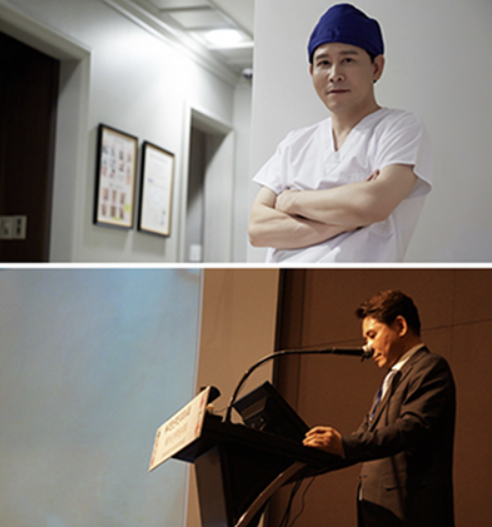
Vaginal Stem Cell Treatment in Korea
Vaginal stem cell treatment generally refers to experimental or emerging regenerative approaches using cell-based therapies with the aim of supporting vulvovaginal tissue repair or regeneration. Research into regenerative gynecology is developing, but stem cell therapy for vaginal rejuvenation is not yet an established standard treatment, and evidence for many marketed applications remains limited. Patients considering regenerative vaginal treatment at Somssi Women’s Clinic in Seoul should first receive a gynecological evaluation to determine the cause of their symptoms and whether an established treatment or regenerative approach is appropriate.
What Is Vaginal Stem Cell Treatment?
“Vaginal stem cell therapy” is a broad term used to describe regenerative treatments involving stem or regenerative cells applied to vulvovaginal tissues.
Research has explored whether regenerative approaches could potentially support:
- Tissue repair
- Tissue quality
- Vascularization
- Vaginal mucosal health
- Age-related tissue changes
However, stem cell treatment should not be confused with established treatments such as vaginal estrogen, hyaluronic acid, filler, or surgical vaginal rejuvenation.
The clinical evidence for cell-based vaginal therapies remains developing.
How Is Vaginal Stem Cell Therapy Supposed to Work?
Stem cells are studied because of their ability to participate in tissue repair and release biological signals that may influence surrounding cells.
Researchers are investigating whether certain regenerative cells could potentially support:
- Tissue remodeling
- Blood vessel formation
- Collagen-related processes
- Cellular repair
- Mucosal regeneration
These mechanisms are scientifically interesting, but proposed biological effects should not be interpreted as guaranteed clinical results.
What Types of Stem Cells May Be Discussed?
Regenerative medicine research has investigated different cell sources.
These may include:
- Adipose-derived regenerative cells
- Mesenchymal stem/stromal cells
- Autologous cell preparations
- Other investigational cell-based products
The source, preparation, processing, and regulatory status of a product matter significantly.
Is Vaginal Stem Cell Therapy the Same as Fat Grafting?
No.
Fat grafting transfers a patient's own processed fat into an area to restore volume.
Although adipose tissue naturally contains different cell populations, standard fat grafting should not automatically be marketed as “stem cell therapy.”
True cell-based regenerative treatments involve different processing and regulatory considerations.
Is Vaginal Stem Cell Therapy the Same as PRP?
No.
PRP stands for platelet-rich plasma.
PRP is prepared from the patient's blood and contains concentrated platelets and associated growth factors.
PRP does not mean stem cells.
Both may be discussed under the broader concept of regenerative medicine, but they are different treatments.
Is Vaginal Stem Cell Therapy the Same as Exosomes?
No.
Stem cells and exosomes are not interchangeable.
Exosomes are small extracellular vesicles involved in cell-to-cell signaling.
Patients should be cautious when clinics use terms such as:
- Stem cells
- Exosomes
- Growth factors
- PRP
- Regenerative injections
as though they all describe the same treatment.
They do not.
What Can Vaginal Stem Cell Treatment Potentially Be Used For?
Research into regenerative gynecology has explored possible applications involving conditions such as:
- Vaginal atrophy
- Vulvovaginal tissue changes
- Menopause-related tissue changes
- Tissue repair
- Selected pelvic-floor or urinary conditions
However, the evidence varies considerably by indication and treatment method.
These treatments should not be presented as established cures.
Can Stem Cells Help Vaginal Dryness?
Vaginal dryness has many potential causes, particularly hormonal changes associated with menopause.
Regenerative treatments are being researched, but established treatment options may include:
- Vaginal moisturizers
- Lubricants
- Vaginal estrogen when appropriate
- Other prescription therapies
- Selected non-hormonal treatments
A gynecological assessment should determine the cause before choosing treatment.
Can Stem Cells Help Vaginal Atrophy?
Cell-based therapy for vaginal atrophy remains an area of research.
Early regenerative-medicine research has investigated whether cellular therapies may improve tissue characteristics, but the evidence is not currently strong enough to describe vaginal stem cell therapy as a universally established treatment.
Patients should understand this distinction before treatment.
Can Stem Cells Help After Menopause?
Menopause can cause changes involving:
- Vaginal dryness
- Reduced elasticity
- Burning
- Irritation
- Pain during intercourse
- Tissue thinning
These symptoms may be part of genitourinary syndrome of menopause (GSM).
Stem-cell-based approaches are being investigated, but established therapies should also be discussed during consultation.
Can Vaginal Stem Cells Tighten the Vagina?
Stem cell treatment should not be promoted as equivalent to surgical vaginal tightening.
Significant structural vaginal laxity may involve:
- Muscles
- Fascia
- Vaginal wall
- Perineal tissues
An injectable regenerative treatment cannot automatically correct these structural problems.
Patients with significant laxity should first undergo an anatomical examination.
Vaginal Stem Cells vs Vaginoplasty
These are fundamentally different approaches.
Vaginal Stem Cell Treatment
Potential regenerative approach aimed at tissue-level biological changes.
Vaginoplasty
Surgical treatment designed to repair or tighten selected vaginal structures.
For significant structural laxity, surgery may provide a more direct anatomical correction when medically appropriate.
Vaginal Stem Cells vs Vaginal Filler
These treatments also have different goals.
Vaginal/labia majora filler primarily adds volume.
Stem cell therapy is proposed as a regenerative treatment rather than simply a volumizing treatment.
Patients seeking improvement in external labia majora volume loss may therefore need filler or fat grafting rather than an investigational regenerative treatment.
Vaginal Stem Cells vs PRP
PRP uses components concentrated from the patient's own blood.
Cell-based therapies involve cells with different biological properties and preparation requirements.
Neither treatment should automatically be assumed to provide the same results.
Is Vaginal Stem Cell Treatment Proven?
Evidence remains limited.
Research into injection-based regenerative approaches for vulvovaginal atrophy has generally involved small studies and heterogeneous treatments, and systematic reviews have concluded that stronger clinical evidence is needed.
Patients should therefore be cautious of claims such as:
“Guaranteed vaginal regeneration”
“Permanent vaginal rejuvenation”
or
“Stem cells reverse vaginal aging.”
These claims go beyond what current evidence can reliably support.
Is Vaginal Stem Cell Treatment Safe?
Safety depends heavily on:
- Cell source
- Processing method
- Sterility
- Injection technique
- Treatment location
- Patient health
- Regulatory oversight
Potential risks of unproven cell-based therapies can include:
- Infection
- Inflammation
- Immune reactions
- Injection complications
- Unexpected tissue responses
Cell-based treatments require particularly careful quality control.
Is Stem Cell Therapy FDA Approved for Vaginal Rejuvenation?
No stem-cell product is FDA-approved specifically for vaginal rejuvenation.
In the United States, FDA-approved stem-cell products are currently limited to certain blood-forming stem-cell products for specific blood-related disorders.
This does not determine Korean regulatory status, but it is important context for international patients evaluating claims about the maturity of this treatment.
What Should I Ask Before Vaginal Stem Cell Treatment?
Patients should ask:
- What exactly is being injected?
- Where do the cells come from?
- Are they my own cells?
- How are they processed?
- What evidence supports this treatment?
- What are the risks?
- What alternatives are available?
- What regulatory standards apply?
A clinic should be able to explain these questions clearly.
Vaginal Stem Cell Treatment for Foreigners in Korea
International patients interested in regenerative gynecology in Korea should avoid choosing treatment based only on marketing terms such as “stem cell rejuvenation.”
The first step should be determining whether the concern involves:
- Vaginal dryness
- Vaginal atrophy
- Menopause
- Vaginal laxity
- Labia majora volume loss
- Sexual discomfort
- Post-childbirth changes
- Another gynecological condition
Different problems require different treatments.
What Happens During a Consultation?
At Somssi Women’s Clinic in Seoul, consultation should begin with the patient's symptoms and anatomy rather than automatically recommending regenerative treatment.
Evaluation may consider:
- Age
- Menopause status
- Childbirth history
- Vaginal dryness
- Pain
- Vaginal laxity
- Vulvar tissue condition
- Previous treatments
- Patient expectations
The doctor can then discuss whether conventional treatment, surgery, filler, or a regenerative approach should be considered.
Frequently Asked Questions
What is vaginal stem cell therapy?
It is a broad term for emerging cell-based regenerative approaches intended to influence vulvovaginal tissue repair or regeneration.
Is vaginal stem cell treatment proven?
Research is developing, but it is not currently an established standard treatment for vaginal rejuvenation.
Can stem cells rejuvenate vaginal tissue?
Regenerative effects are being investigated, but clinical benefits should not be guaranteed.
Can stem cells treat vaginal dryness?
Research exists around regenerative approaches, but established treatments for vaginal dryness should also be considered.
Can stem cells treat vaginal atrophy?
This remains an investigational area with limited clinical evidence.
Can stem cells help after menopause?
Potential applications are being researched, but menopause-related vaginal symptoms have established treatment options as well.
Can stem cells tighten the vagina?
They should not be considered equivalent to surgical tightening or structural vaginal repair.
Is stem cell therapy the same as PRP?
No.
Are exosomes stem cells?
No.
Is fat grafting stem cell therapy?
Standard fat grafting should not automatically be described as stem cell therapy.
Is vaginal stem cell therapy safe?
Safety depends on the product, processing, sterility, administration method, and patient selection.
Are there risks?
Potential risks include infection, inflammation, injection complications, and unexpected tissue reactions.
Is vaginal stem cell treatment permanent?
There is insufficient evidence to guarantee permanent results.
Can foreigners get vaginal regenerative treatment in Korea?
International patients can seek consultation in Korea, but they should understand exactly what product and procedure are being proposed.
What should I ask the clinic?
Ask about the cell source, processing method, evidence, expected benefits, risks, alternatives, and regulatory status.
How does Somssi Women's Clinic determine the right treatment?
The patient's symptoms, anatomy, age, childbirth history, menopause status, previous treatments, and goals should be evaluated before deciding whether regenerative or established treatment options are appropriate.
Should You Consider Vaginal Stem Cell Treatment in Korea?
Regenerative gynecology is an interesting and developing field, but “stem cell vaginal rejuvenation” should not be treated as a catch-all solution for every intimate concern.
The appropriate pathway is:
identify the problem → complete gynecological evaluation → compare established and regenerative options → understand the evidence → discuss risks and alternatives → choose treatment
At
Somssi Women’s Clinic in Seoul, patients interested in regenerative vaginal treatments should first receive an individualized assessment to determine what is actually causing their symptoms and which treatment approach is medically appropriate.