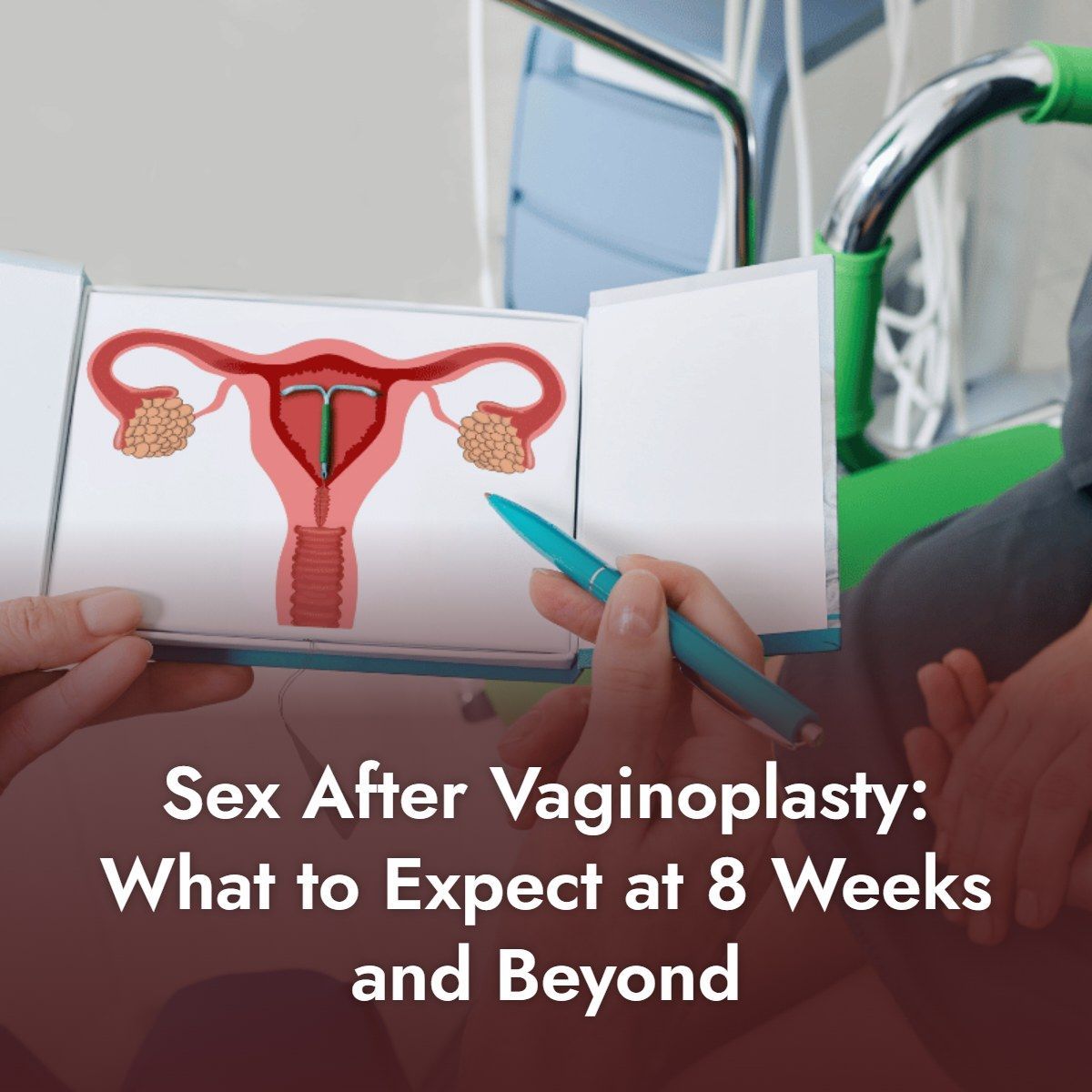
For most women, sex is safe with uterine prolapse and does not make the prolapse worse. Intercourse does not damage the supporting ligaments the way chronic straining or heavy lifting can. Some women notice pressure, looseness, leakage or self-consciousness, but adjustments such as different positions, emptying the bladder first or gently replacing the bulge usually help.
Why sex does not usually worsen prolapse
Uterine prolapse develops when the ligaments and pelvic floor muscles that hold the uterus up are stretched or torn, most often by childbirth, aging, menopause and long-term pressure from straining, coughing or lifting. Penetrative sex involves short periods of gentle pressure and does not create the sustained downward force that drives prolapse. There is no good evidence that regular sexual activity causes prolapse to progress.
In fact, arousal and orgasm involve rhythmic contraction of the pelvic floor muscles, and staying sexually active is linked with healthier vaginal tissue, especially after menopause. Professional guidance on prolapse, including ACOG and American Urogynecologic Society guidance, treats sexual activity as compatible with conservative management.
How prolapse can affect your sex life
Although sex is physically safe, prolapse can still change how it feels. Studies on sexual function in women with pelvic floor disorders, and the IUGA/ICS terminology on sexual health in this group, describe a range of effects:
- A sensation of pressure or a partner touching the cervix earlier than before
- A feeling of vaginal looseness or reduced sensation
- Discomfort or aching during or after deep penetration
- Leakage of urine during penetration or orgasm
- Embarrassment about a visible bulge, which can reduce desire and arousal
- Dryness, particularly after menopause, which can make friction uncomfortable
Many of these concerns are as much about body image as anatomy. Women often report that worry about how the vagina looks or feels affects intimacy more than physical symptoms.
When sex might not be comfortable or advisable
Some situations deserve a medical check before continuing:
- Bleeding from the vagina or from an exposed bulge
- Ulcers or raw areas on prolapsed tissue, which may need treatment before sex
- Severe or worsening pain during intercourse
- A bulge that cannot be pushed back or that becomes firm and painful
- Signs of infection, such as unusual discharge or fever
Postmenopausal bleeding should always be assessed, whatever the suspected cause.
Practical tips for more comfortable sex
Small changes can make a large difference. A step-by-step approach many women find helpful:
- Empty your bladder and, if possible, your bowel before sex to reduce pressure and leakage.
- If the bulge is outside the vagina, lie down for a few minutes or gently push it back with clean fingers before starting.
- Use plenty of water-based or silicone-based lubricant, and consider vaginal moisturizers on other days.
- Choose positions that reduce downward pressure, such as lying on your back with a pillow under the hips, or side-lying positions.
- Let your partner know if deep penetration is uncomfortable, and adjust depth and pace together.
- Keep a towel nearby if leakage is a worry, and remember it is common and nothing to be ashamed of.
Positions in which you are upright, such as standing or squatting, tend to increase gravity's effect on the uterus and may feel less comfortable.
Sex with a vaginal pessary
A pessary is a removable device that supports the uterus from inside the vagina, and many women with prolapse use one. Whether it affects sex depends on the type:
- Ring pessaries can often stay in place during intercourse, although some partners notice them
- Space-filling pessaries such as cube or Gellhorn types usually need to be removed before sex
- Many women can learn to remove and reinsert their own pessary, which gives more freedom
Talk to the clinician who fits your pessary about which type suits your sexual life, and do not be embarrassed to raise it. A good fit should not cause pain for either partner.
How treatment can improve sexual function
Pelvic floor muscle training
Strengthening the pelvic floor with a trained physiotherapist can improve support, reduce leakage and enhance sensation and control. Learning to relax the muscles is just as important for women who experience pain.
Vaginal estrogen
After menopause, low-dose vaginal estrogen can relieve dryness and soreness and make tissues more resilient. The Menopause Society's 2020 position statement on genitourinary syndrome of menopause supports its use for these symptoms in most women.
Surgery
For bothersome prolapse that does not respond to conservative care, surgical repair, including uterus-preserving hysteropexy, can relieve the bulge and often improves sexual confidence. Surgery also carries a risk of new or worse pain with intercourse, particularly if the vagina is narrowed or shortened, so this should be part of the consent discussion. Intercourse is usually avoided for about six weeks afterwards.
Talking with your partner and your doctor
Open conversation reduces anxiety for both partners. Explaining that prolapse is common, that sex is safe and that some adjustments may help often removes much of the tension. Doctors are used to discussing sexual concerns, and your sexual goals are a legitimate part of choosing the right treatment. If you are not asked, it is reasonable to raise the subject yourself.
It can help to remember that desire and satisfaction depend on far more than anatomy. Fatigue, stress, relationship issues, menopause and medications all play a part. If low desire or pain persists even after the prolapse is managed, a gynecologist, pelvic health physiotherapist or sex therapist can work with you to find the cause. Many couples also find that expanding intimacy beyond penetration takes pressure off and rebuilds confidence while treatment takes effect.
Frequently asked questions
Can my partner feel my prolapse during sex?
Some partners notice the cervix lower in the vagina or a change in fullness, while many notice nothing. Pushing the bulge back first and choosing comfortable positions often minimizes the difference. Honest communication usually matters more than the sensation itself.
Can sex cause my uterus to fall out?
No. Intercourse does not push the uterus out of the body. A prolapse may be more noticeable after sex because of relaxation and pressure, but it does not cause sudden worsening.
Is it normal to leak urine during sex with prolapse?
Leakage during penetration or orgasm is common in women with pelvic floor problems. Emptying the bladder beforehand and pelvic floor training help many women. Persistent leakage can be assessed and treated.
How soon can I have sex after prolapse surgery?
Most surgeons advise waiting about six weeks and until a follow-up examination confirms healing. Starting gently with lubricant is recommended. Report any persistent pain to your surgeon.
Will sex feel different after prolapse surgery?
Many women report better comfort and confidence once the bulge is repaired. Some notice changes in vaginal length or tightness, and a small proportion develop pain. Discuss your sexual goals before surgery so the repair can be planned accordingly.
References
- American College of Obstetricians and Gynecologists and American Urogynecologic Society. Practice Bulletin No. 214: Pelvic Organ Prolapse. Obstet Gynecol. 2019.
- Rogers RG, Pauls RN, Thakar R, et al. An International Urogynecological Association (IUGA)/International Continence Society (ICS) joint report on the terminology for the assessment of sexual health of women with pelvic floor dysfunction. Int Urogynecol J. 2018.
- The North American Menopause Society. The 2020 genitourinary syndrome of menopause position statement. Menopause. 2020.
- Bugge C, Adams EJ, Gopinath D, et al. Pessaries (mechanical devices) for managing pelvic organ prolapse in women. Cochrane Database Syst Rev. 2020.
This article is for general education and does not replace an examination by a qualified gynecologist. Individual results vary, and every procedure carries risks.