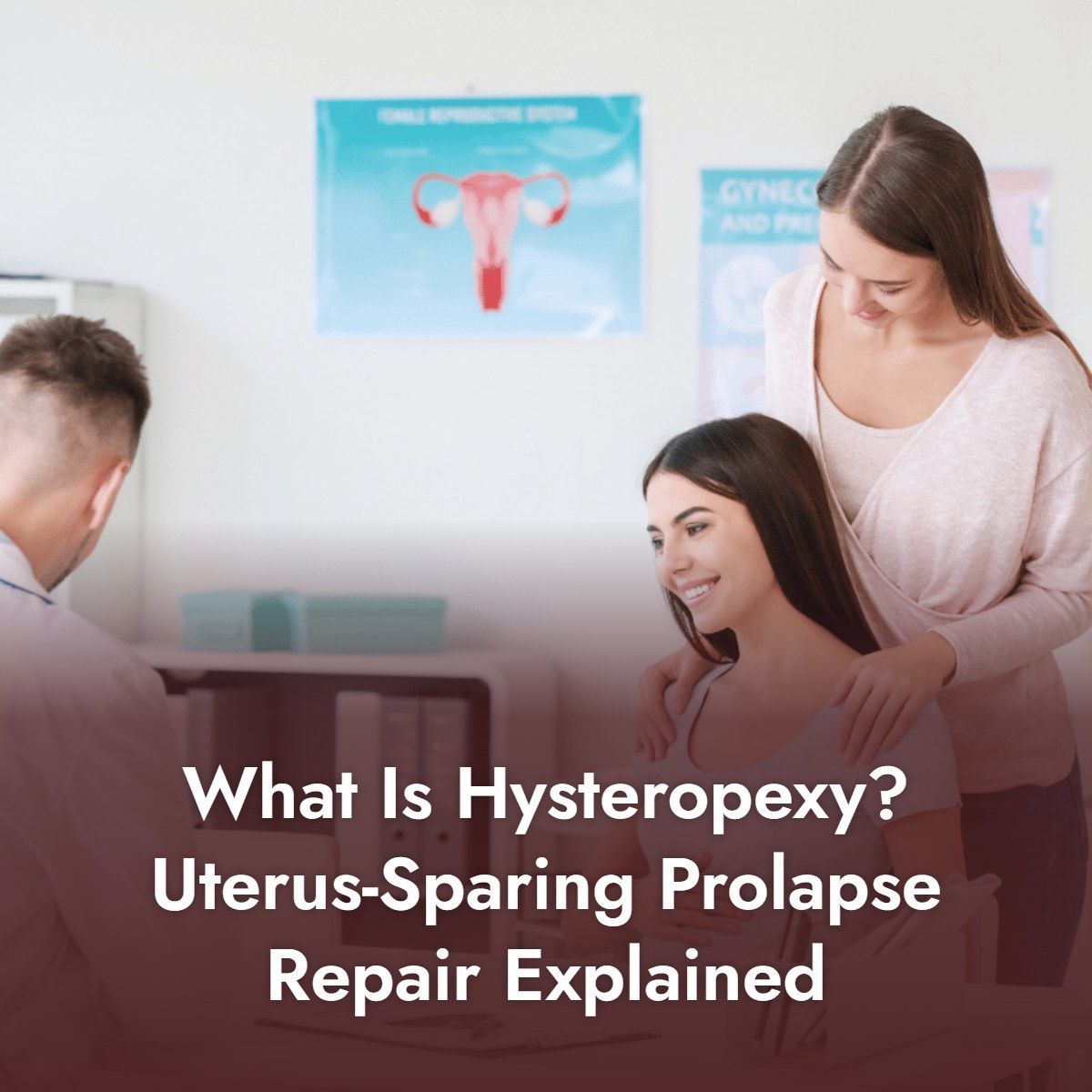
Uterine prolapse in younger women is usually linked to childbirth injury, heavy physical strain or inherited connective tissue weakness. Because many younger women want future pregnancies or simply wish to keep their uterus, treatment focuses on preserving it: pelvic floor training and pessaries first, and uterus-sparing surgery such as hysteropexy when symptoms remain bothersome.
How common is prolapse before menopause?
Pelvic organ prolapse is most common after menopause, but it is not limited to older women. Mild descent is frequently found on examination in women who have had vaginal births, and a smaller number of younger women develop symptomatic uterine prolapse in their twenties, thirties or forties. Because it is less expected at this age, symptoms are sometimes dismissed or attributed to other causes, delaying diagnosis.
The uterus is supported mainly by the uterosacral and cardinal ligaments at the top of the vagina, with the pelvic floor muscles providing a supportive base. If these supports are damaged or inherently weak, the uterus and cervix can descend even when hormone levels and general tissue quality are still good.
Main causes in younger women
Childbirth and pelvic floor injury
Vaginal delivery is the most important risk factor. Long second stages, forceps or vacuum delivery, large babies and significant perineal tears can stretch ligaments and partly detach the levator ani muscle from the pelvic bone. Imaging studies have shown that such muscle injuries are associated with a higher likelihood of later prolapse. Symptoms can appear within months of birth or emerge years later.
Connective tissue disorders
Women with inherited conditions that affect collagen, such as Ehlers-Danlos syndrome or Marfan syndrome, and those with joint hypermobility, have a higher risk of prolapse at a young age, sometimes even before any pregnancy.
Other contributors
- Repeated heavy lifting in physically demanding jobs or strength sports
- Chronic constipation with prolonged straining
- Long-term coughing from asthma or smoking
- Obesity, which increases abdominal pressure
- Rarely, congenital conditions affecting the spine or pelvic nerves
Symptoms to watch for
Younger women often describe:
- Heaviness or dragging in the vagina, worse at the end of the day or after exercise
- A sensation of something at the vaginal opening, or a visible bulge
- Tampons or menstrual cups that will not stay in place
- Changes during sex, such as a feeling of looseness or pressure
- Bladder or bowel emptying difficulty, or leakage during exercise
Postpartum heaviness is common in the first weeks after birth and often improves as tissues recover, so assessment is usually most informative from about three to six months after delivery, unless symptoms are severe.
How the diagnosis is made
Assessment is the same as for older women, but it pays particular attention to future plans. The doctor takes a history of pregnancies, deliveries, bladder and bowel symptoms, exercise and work, and any family history of prolapse or hypermobility. A pelvic examination while bearing down, often recorded with the POP-Q system, measures how far the cervix and vaginal walls descend. Pelvic floor muscle strength and any muscle detachment are assessed, sometimes with ultrasound. Cervical screening should be up to date, since keeping the uterus means continuing routine checks. The goal is a clear picture of which supports have failed, so treatment can be targeted rather than generic.
First-line, uterus-preserving treatment
Conservative care is the foundation of treatment for younger women, particularly those planning more children.
Pelvic floor muscle training
Supervised training with a pelvic health physiotherapist can strengthen the muscles that support the uterus and reduce symptoms. Evidence from randomized trials, including the POPPY trial, shows improvement in prolapse symptoms with individualized programs. Benefits depend on continuing exercises over the long term.
Vaginal pessaries
A pessary is a removable silicone device that supports the uterus from within the vagina. Many younger women use them during exercise or throughout the day. Modern pessaries come in many shapes, and some can be inserted and removed by the user. Pessaries are not used during pregnancy without specialist advice, but they can bridge the years until a family is complete.
Lifestyle measures
Avoiding constipation, keeping a healthy weight, modifying heavy lifting and learning to brace the pelvic floor during effort all reduce strain on the supports.
Uterus-preserving surgical options
When symptoms remain bothersome despite conservative care, surgery can lift the uterus without removing it. A systematic review and clinical guideline published in 2018 found that uterine preservation offers broadly similar improvement in prolapse symptoms to hysterectomy in many women. Options include:
- Sacrospinous hysteropexy, which attaches the cervix to a strong pelvic ligament through the vagina
- Uterosacral hysteropexy, which shortens and reattaches the natural supporting ligaments
- Laparoscopic sacrohysteropexy, which uses mesh to suspend the uterus from the sacrum through keyhole surgery
- The Manchester procedure, which shortens an elongated cervix and tightens its supporting ligaments
Each technique has specific risks, recovery time and recurrence patterns. Surgeon experience with the chosen approach is important.
Planning surgery around pregnancy
Timing is one of the biggest decisions for younger women. A practical approach often follows these steps:
- Have a full assessment, including POP-Q measurements and bladder and bowel evaluation.
- Try pelvic floor training and, if needed, a pessary for symptom control.
- Discuss whether you plan further pregnancies and on what timescale.
- If more children are planned, many specialists suggest delaying surgery, because pregnancy and vaginal birth can stress or undo a repair.
- If surgery cannot wait, choose a uterus-preserving method and discuss the likely mode of future delivery with an obstetrician.
- Reassess once childbearing is complete, when a definitive repair can be planned.
Pregnancy after hysteropexy is possible, but evidence on outcomes is limited, and many obstetricians favor discussing a planned cesarean birth to protect the repair.
Frequently asked questions
Can I get pregnant with uterine prolapse?
Yes. Prolapse does not usually affect fertility. During pregnancy the growing uterus often rises out of the pelvis, and symptoms may ease in the middle months, although they can worsen early and late in pregnancy.
Will a vaginal birth make my prolapse worse?
It can, particularly with a long or assisted delivery. However, outcomes vary, and many women with mild prolapse have uncomplicated births. The safest mode of delivery should be discussed with your obstetrician based on your own situation.
Do I need a hysterectomy to fix prolapse?
No. Removing the uterus is not required to treat prolapse in most women. Uterus-sparing operations are effective options for suitable candidates.
Is prolapse at a young age a sign of something serious?
Usually it reflects childbirth injury or strain rather than a dangerous disease. In women with very early prolapse or other signs such as joint hypermobility, doctors may consider an underlying connective tissue disorder.
Can I keep exercising with prolapse?
Yes. Staying active is beneficial. A physiotherapist can help you adjust high-impact or heavy lifting exercises and teach pelvic floor bracing, and some women use a pessary during sport.
References
- American College of Obstetricians and Gynecologists and American Urogynecologic Society. Practice Bulletin No. 214: Pelvic Organ Prolapse. Obstet Gynecol. 2019.
- Meriwether KV, Antosh DD, Olivera CK, et al. Uterine preservation vs hysterectomy in pelvic organ prolapse surgery: a systematic review with meta-analysis and clinical practice guidelines. Am J Obstet Gynecol. 2018.
- Hagen S, Stark D, Glazener C, et al. Individualised pelvic floor muscle training in women with pelvic organ prolapse (POPPY): a multicentre randomised controlled trial. Lancet. 2014.
- Detollenaere RJ, den Boon J, Stekelenburg J, et al. Sacrospinous hysteropexy versus vaginal hysterectomy with suspension of the uterosacral ligaments in women with uterine prolapse stage 2 or higher: multicentre randomised non-inferiority trial. BMJ. 2015.
This article is for general education and does not replace an examination by a qualified gynecologist. Individual results vary, and every procedure carries risks.