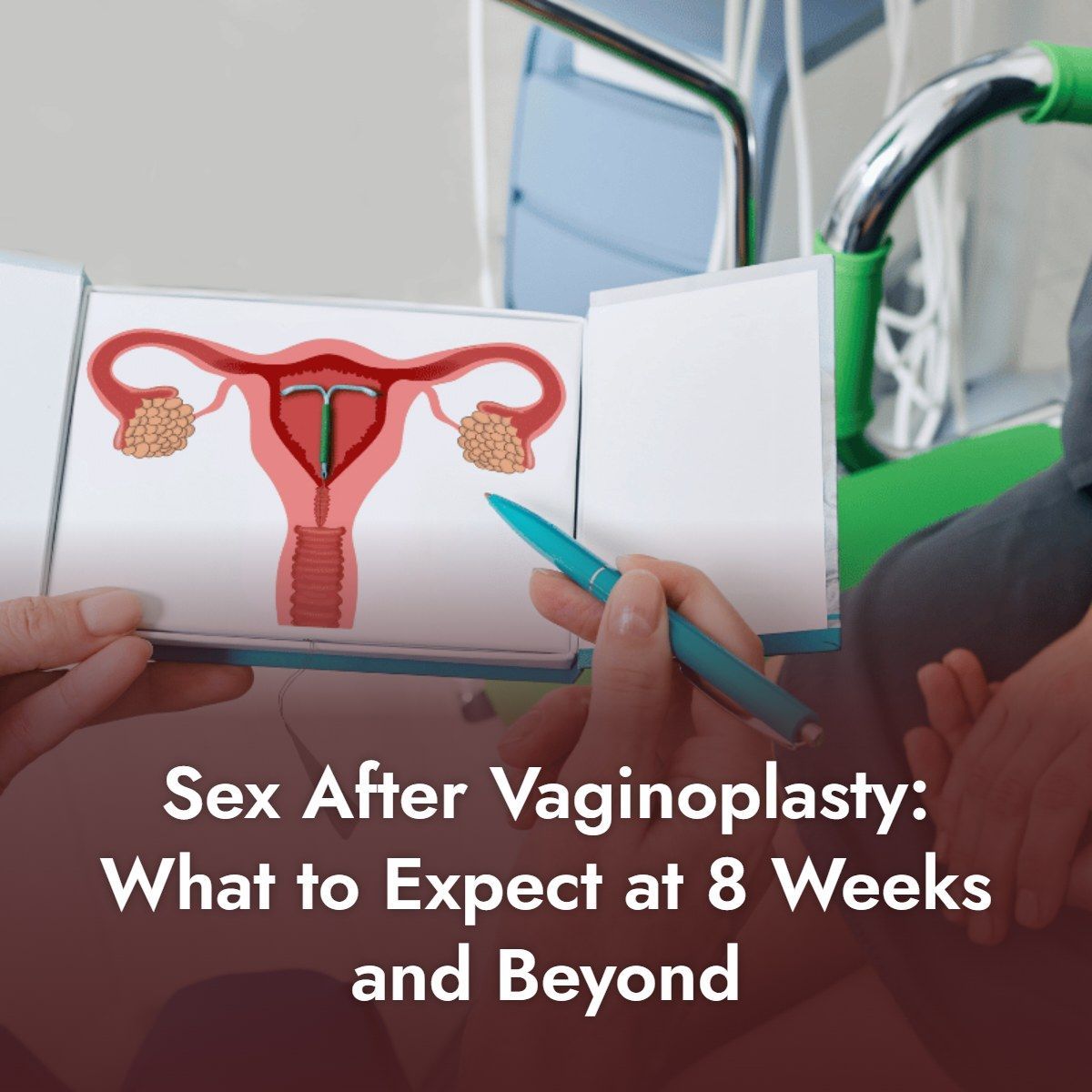
Good preparation for vaginoplasty starts weeks before surgery, not the night before. It means confirming that the operation matches your actual problem, completing a pelvic examination and routine tests, reviewing medicines and supplements, stopping nicotine, treating any infection, and arranging time off and help at home. Careful preparation lowers avoidable risks and makes recovery calmer and more predictable.
Is vaginoplasty the right operation for your symptoms?
The most important step happens before any checklist: making sure the planned operation fits the problem. In gynecology, "vaginoplasty" for laxity usually means tightening the vaginal opening and lower vagina by repairing the muscles and tissue of the back wall and perineum. That can help when the main complaint is a wide, loose-feeling opening after childbirth.
It does less for problems that start higher up. A bulge, a heavy dragging feeling, leaking urine or difficulty emptying the bowel may point to pelvic organ prolapse or pelvic floor dysfunction, which need a different assessment and sometimes a different repair. A thorough consultation should include:
- A pelvic examination at rest and while straining, to look for prolapse of the front wall, back wall or uterus
- Questions about bladder control, bowel emptying and pain with sex
- An honest discussion of what you hope will change, and whether surgery can realistically deliver it
- Information about non-surgical options, such as pelvic floor muscle training with a specialist physiotherapist
Professional bodies such as ACOG advise that women considering elective genital procedures receive balanced information about evidence, risks and alternatives. A surgeon who examines you carefully and explains limits is a good sign.
Medical checks and tests before surgery
Most vaginoplasty procedures are done under general or regional anesthesia, so you will be assessed as for any planned operation. The exact tests depend on your age and health, but commonly include:
- Blood count and, where relevant, clotting tests and blood sugar
- A pregnancy test close to the date of surgery
- Up-to-date cervical screening, since abnormal results should be managed first
- Testing or treatment for vaginal infections such as bacterial vaginosis or thrush
- An ECG or other checks if you have heart, lung or blood pressure problems
Tell the team about previous pelvic surgery, cesarean or difficult births, keloid or poor scarring, bleeding problems, blood clots, diabetes and any history of pelvic pain. If you are still breastfeeding or have very low estrogen levels, the tissues may be thinner and slower to heal; a short course of vaginal estrogen is sometimes suggested beforehand.
Medications and supplements to review
Bring a written list of everything you take, including over-the-counter products. Never stop a prescribed medicine on your own; your surgeon or physician will tell you what to pause and when. Items that are often reviewed include:
- Blood thinners and antiplatelet drugs such as aspirin
- Anti-inflammatory painkillers, which may be paused shortly before surgery
- Supplements that can affect bleeding, such as fish oil, vitamin E, ginkgo and garlic tablets
- Hormonal contraception or hormone therapy, because of the small added risk of blood clots
- Diabetes medicines, which may need a dose change on the day of surgery
Lifestyle steps in the weeks beforehand
Stop smoking and vaping nicotine
Nicotine narrows small blood vessels and is linked to poorer wound healing, higher infection risk and breakdown of stitches. Stopping at least four weeks before surgery, and staying off nicotine during recovery, gives the tissues the best chance to heal.
Manage constipation and coughing
Straining on the toilet and repeated coughing put pressure on fresh repairs. In the weeks before surgery, aim for regular soft stools with fluids, fiber and, if needed, a gentle stool softener. Get a chronic cough or hay fever under control.
Plan around your period and travel
Many surgeons prefer to operate away from menstruation. If you are traveling from abroad, allow enough time in the city for the follow-up visit, avoid long flights in the first days after surgery, and ask about blood clot prevention for the journey home.
A step-by-step timeline to follow
- Six to eight weeks before: attend a full consultation and examination, discuss alternatives, and confirm the exact procedure in writing.
- Four weeks before: stop nicotine, complete blood tests and screening, and treat any infection.
- Two weeks before: review medicines and supplements with your doctor, arrange leave from work and childcare, and buy recovery supplies.
- One week before: confirm transport, fill any prescriptions, and avoid hair removal by shaving, which can cause small cuts.
- The day before: follow fasting instructions exactly, shower, and pack loose cotton underwear and comfortable clothing.
- The day of surgery: remove jewelry, nail polish and contact lenses, and bring your medicine list and consent documents.
Preparing your home for recovery
Recovery is easier when everything is ready before you leave for surgery. A simple setup might include:
- Unscented sanitary pads and loose cotton underwear
- A peri bottle or handheld shower for gentle rinsing after using the toilet
- Stool softeners or fiber supplements recommended by your team
- Pain relief as advised, plus ice packs wrapped in cloth
- A firm cushion and pillows for comfortable sitting and lying
- Easy meals, water bottles and entertainment within reach
Expect swelling, mild bleeding or discharge and soreness for the first one to two weeks. Many women return to desk work after one to two weeks, but heavy lifting, intense exercise, baths, swimming, tampons and intercourse are usually avoided for about six weeks or until the surgeon confirms healing.
Questions to ask your surgeon before you sign consent
Informed consent is a conversation, not a form. Useful questions include:
- Which tissues will be repaired, and will the incision be on the back wall, the perineum or both?
- What are the main risks, including bleeding, infection, wound breakdown, pain with sex and over-tightening?
- What happens if the result feels too tight or not tight enough?
- How many similar operations do you perform, and how do you follow patients up?
- Will a future vaginal birth be possible, and what would you advise about timing if I may want more children?
It is reasonable to take notes, bring a trusted person, and ask for time to think. Surgery for laxity is elective, so there should be no pressure to decide quickly.
Frequently asked questions
How long before vaginoplasty should I stop smoking?
Most surgeons advise stopping all nicotine products at least four weeks before surgery and continuing to avoid them for several weeks afterwards. The longer the break, the better the blood supply to healing tissue. Nicotine patches and gum still contain nicotine, so discuss them with your team.
Can I have vaginoplasty during my period?
It is usually planned for a time away from menstruation because bleeding makes the operating field and early wound care harder. If your period arrives unexpectedly, tell the team; the decision depends on the surgeon. Tracking your cycle when booking helps avoid this.
Do I need to shave before surgery?
No. Shaving can leave tiny cuts that raise infection risk. If hair needs to be reduced, the team will usually trim it with clippers on the day.
Should I do pelvic floor exercises before surgery?
Learning correct pelvic floor contractions before surgery can be helpful, and some women find their symptoms improve enough to delay or avoid surgery. A specialist physiotherapist can check your technique. Your surgeon will advise when to restart exercises afterwards.
Is it safe to fly home soon after vaginoplasty?
Long flights soon after surgery increase the risk of blood clots and leave you far from your surgeon if a problem occurs. Many surgeons suggest staying nearby until the first check-up. Ask about compression stockings, walking breaks and hydration for the journey.
References
- American College of Obstetricians and Gynecologists. Committee Opinion No. 795: Elective Female Genital Cosmetic Surgery. Obstet Gynecol. 2020.
- American College of Obstetricians and Gynecologists. Committee Opinion No. 750: Perioperative Pathways: Enhanced Recovery After Surgery. Obstet Gynecol. 2018.
- American College of Obstetricians and Gynecologists. Practice Bulletin No. 195: Prevention of Infection After Gynecologic Procedures. Obstet Gynecol. 2018.
- U.S. Food and Drug Administration. Statement on efforts to safeguard women's health from deceptive health claims and significant risks related to devices marketed for use in medical procedures for "vaginal rejuvenation". 2018.
This article is for general education and does not replace an examination by a qualified gynecologist. Individual results vary, and every procedure carries risks.