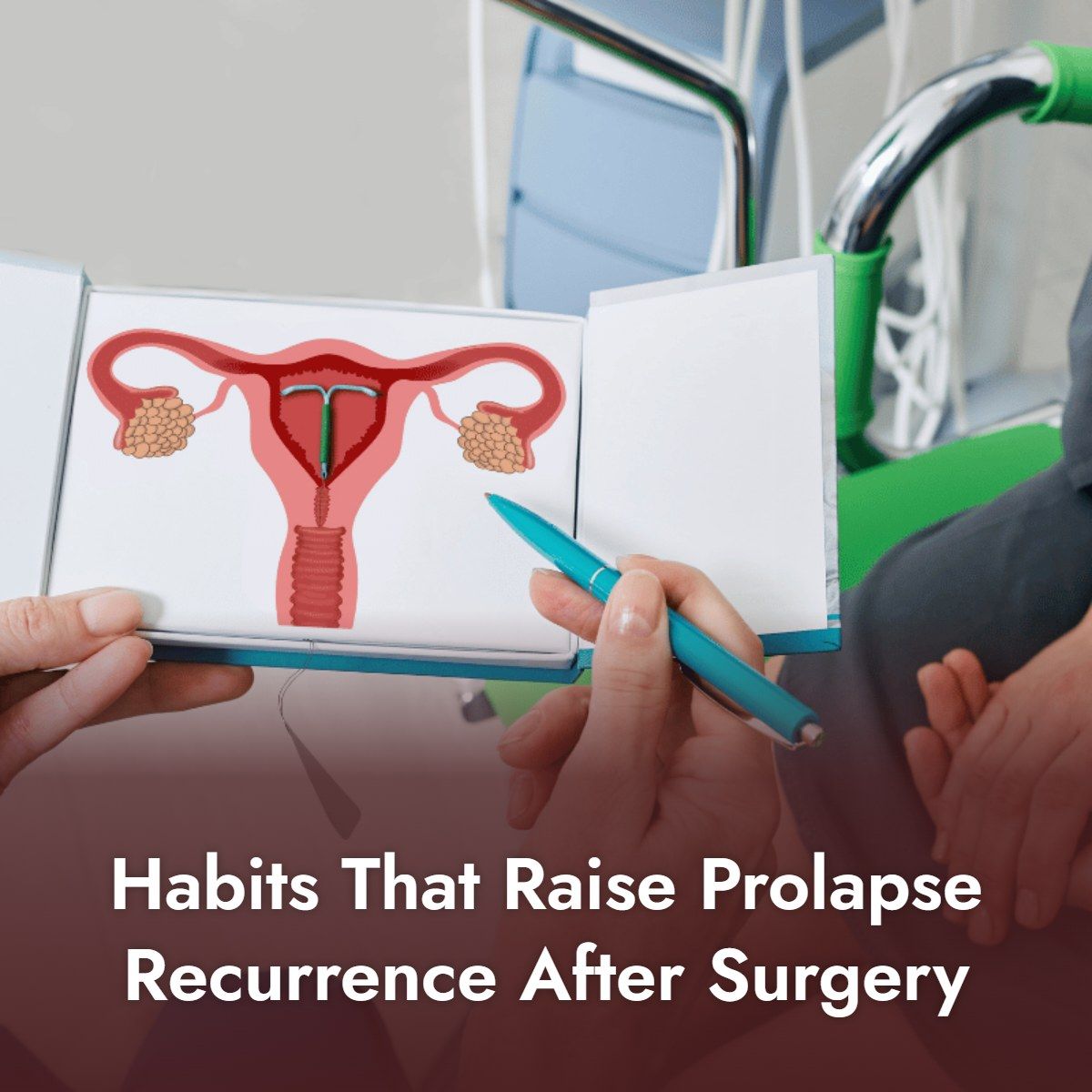
Habits that repeatedly raise pressure inside the abdomen, such as straining on the toilet, frequent heavy lifting and an untreated chronic cough, are the main modifiable factors linked to prolapse returning after surgery. Excess weight, smoking and returning to strenuous activity too early can also stress healing tissues. Some risk factors cannot be changed, but many daily habits can.
Why does prolapse come back after surgery?
Pelvic organ prolapse surgery restores support to the vaginal walls and pelvic organs, but it cannot replace the underlying connective tissue and muscle that weakened in the first place. Recurrence, meaning a return of the bulge in the same or another compartment, is a recognized outcome of all prolapse operations, and it is more common after native tissue repair than after abdominal mesh procedures.
Researchers describe risk factors in two groups. Non-modifiable factors include younger age at first surgery, advanced prolapse before surgery, a family history of prolapse, injury to the levator ani muscles during childbirth and inherited connective tissue traits. Modifiable factors are the habits and health conditions a woman can influence after surgery, and these are the focus here.
How does chronic straining during bowel movements affect the repair?
Constipation is one of the most frequently discussed contributors to recurrence. Each episode of forceful straining pushes the pelvic organs downward against the repaired tissues, and repeated straining over months or years may gradually stretch them.
- Aim for soft, regular stools with adequate fluids and dietary fiber.
- Use a stool softener or fiber supplement if advised, especially in the first weeks.
- Avoid holding your breath and bearing down; exhale gently instead.
- Use a small footstool to raise the knees above the hips, which can make emptying easier.
- Do not ignore the urge to go, as delaying can harden stools.
Women who need to splint, meaning press on the vagina or perineum to empty the bowel, should mention this to their doctor, because it may signal a posterior wall problem.
Is heavy lifting really a problem after prolapse surgery?
Lifting increases intra-abdominal pressure, particularly when it is done with a held breath and poor posture. In the first six weeks after surgery, when tissues are healing, surgeons usually advise avoiding heavy lifting and strenuous activity. Interestingly, some research has not found that strict long-term activity restriction reduces recurrence, so many experts now favor sensible, gradual return to normal life rather than lifelong avoidance.
In the long term, the concern is mainly with repeated heavy lifting, such as occupational lifting, carrying young children frequently or lifting very heavy weights in the gym without good technique. Learning to exhale on exertion and engage the pelvic floor before lifting may help reduce strain.
Can a chronic cough or smoking cause recurrence?
Yes, they are considered risk factors. A persistent cough from asthma, chronic obstructive pulmonary disease, allergies or smoking sends repeated pressure spikes through the pelvic floor. Smoking also impairs wound healing and reduces the quality of collagen in connective tissue.
Practical steps include treating allergies and asthma effectively, seeking medical review for any cough lasting more than a few weeks, and stopping smoking, ideally before surgery. Some women find it helpful to contract the pelvic floor just before a cough or sneeze, a technique sometimes called "the knack."
Does body weight influence prolapse recurrence?
Obesity is associated with prolapse and with more pelvic floor symptoms, because extra abdominal weight adds constant downward load. Evidence on whether weight loss reduces recurrence after surgery is limited, but weight loss has been shown to improve urinary incontinence and is generally beneficial for pelvic health. Even modest, steady weight reduction may help.
Which exercise habits can stress the pelvic floor?
Regular physical activity is good for overall health and should not be avoided. However, some forms of exercise involve repeated high pressure or impact, and these may deserve attention after prolapse repair.
- High-impact exercise such as running and jumping, especially if it causes a sense of heaviness
- Heavy weightlifting with breath-holding
- Intense abdominal exercises such as full sit-ups or crunches performed with bearing down
- Prolonged high-impact sports without pelvic floor conditioning
Lower-impact options such as walking, swimming, cycling and pilates adapted for the pelvic floor are often recommended. A pelvic floor physiotherapist can help tailor a safe plan.
How can women lower their risk of recurrence day to day?
There is no guaranteed way to prevent recurrence, but a consistent routine can address the main modifiable factors.
- Follow your surgeon's recovery instructions closely for the first six weeks.
- Treat constipation early and keep bowel habits regular.
- Begin supervised pelvic floor muscle training once your surgeon approves it.
- Learn safe lifting: bend the knees, keep loads close and exhale on effort.
- Have chronic cough, asthma and allergies reviewed and treated.
- Stop smoking and work toward a healthy weight.
- Attend follow-up examinations and report new bulge symptoms promptly.
Pelvic floor muscle training has good evidence for improving prolapse symptoms in women without surgery, and some studies suggest benefit around the time of surgery, although results for preventing recurrence specifically are mixed.
What role do hormones and menopause play?
After menopause, falling estrogen levels can thin the vaginal tissues. Local vaginal estrogen is sometimes prescribed before or after prolapse surgery to improve tissue quality and comfort, though evidence that it prevents recurrence is not conclusive. Women should discuss whether local estrogen is appropriate for them, particularly if they have a history of hormone-sensitive cancer.
When should you see a doctor about possible recurrence?
Seek review if you notice a returning bulge, a dragging or heavy sensation, difficulty emptying the bladder or bowel, new urinary leakage, or bleeding. Not every recurrence needs treatment; small, symptom-free changes seen on examination are common and may simply be monitored. Options for bothersome recurrence include pelvic floor therapy, a pessary or further surgery.
Frequently asked questions
How common is prolapse recurrence after surgery?
Rates vary widely between studies depending on how recurrence is defined. Anatomic changes seen on examination are fairly common, but the proportion of women with bothersome symptoms needing repeat surgery is lower.
When can I lift my children after prolapse surgery?
Most surgeons advise avoiding heavy lifting for about six weeks. After that, lifting with good technique is usually acceptable, but ask your own surgeon, as advice depends on the procedure performed.
Can I run again after prolapse repair?
Many women return to running, but a gradual approach after pelvic floor rehabilitation is sensible. Stop and seek advice if you feel heaviness, bulging or leakage.
Will pregnancy cause my prolapse to return?
Pregnancy and vaginal birth can strain the repair. Women who plan more children are often advised to delay definitive surgery or discuss the timing and type of repair carefully.
Does constipation medicine harm the pelvic floor?
Appropriate laxatives or stool softeners generally protect the pelvic floor by reducing the need to strain. Discuss long-term use with your doctor.
References
- American College of Obstetricians and Gynecologists and American Urogynecologic Society. Practice Bulletin No. 214: Pelvic Organ Prolapse. 2019.
- Hagen S, Stark D. Conservative prevention and management of pelvic organ prolapse in women. Cochrane Database of Systematic Reviews. 2011.
- National Institute for Health and Care Excellence. Urinary incontinence and pelvic organ prolapse in women: management (NG123). 2019.
- Haylen BT, et al. An International Urogynecological Association (IUGA)/International Continence Society (ICS) joint report on the terminology for female pelvic organ prolapse. International Urogynecology Journal. 2016.
This article is for general education and does not replace an examination by a qualified gynecologist. Individual results vary, and every procedure carries risks.